Visa
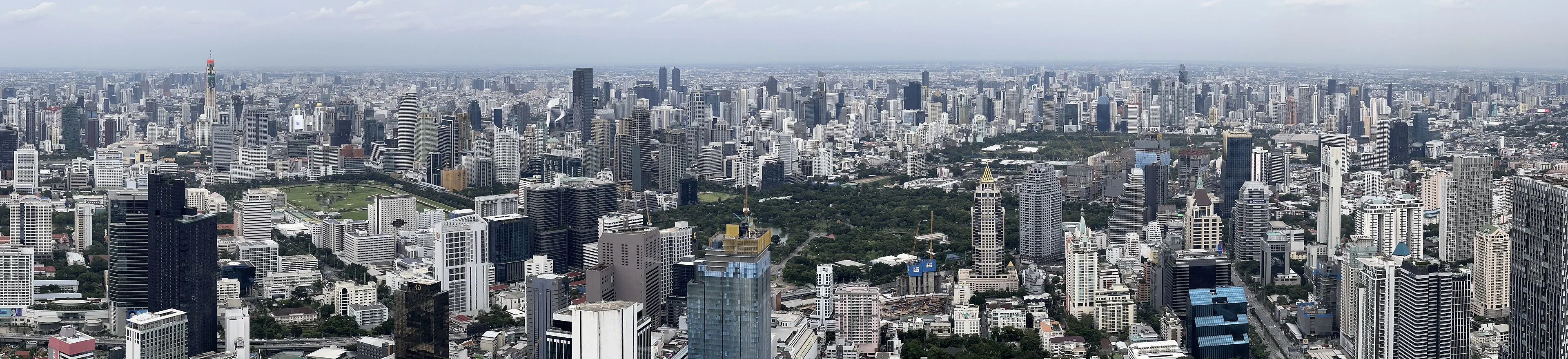
Moving & Living - Thailand - Complete Guide
Move to Thailand step by step: compare Bangkok, Chiang Mai and Phuket, choose the correct visa and work route, and arrange reporting, schools, housing, banking and healthcare.
Photo credit
A Bangkok school run from Sukhumvit, a university timetable in Chiang Mai or a household based in Phuket starts with a different daily journey. Choose the place around the work, study and care your household needs, then organise the permissions and services that make it workable.
These fourteen steps follow the move from choosing a base to completing the first month. They explain employer-sponsored and remote-work routes, separate arrival and address reporting from extensions, and identify optional education and retirement tasks. Source links sit beside the instructions, and documentary photographs retain their capture dates.
Thailand at a glance
- Currency
- Thai baht · THB
- City choice
- Bangkok, Chiang Mai or Phuket around the actual workplace
- Immigration
- Issuing mission and activity determine the file
- Arrival
- TDAC is separate from the visa
- Address records
- TM.30 and TM.47 serve different purposes
- Reviewed
- 16 October 2026
Follow your moving journey
Start at step 1, or jump to the task you are working on.
01Choose the city and test the journeys from the proposed neighbourhood
Start with the workplace or campus, then compare homes around it. A Bangkok rail commute, a Chiang Mai university schedule and an island household in Phuket need different transport and housing budgets. Use an initial short stay to test the plan before paying for a long tenancy.
- Mark the exact office, campus and regular treatment provider on one map. Confirm which location you will attend rather than using the organisation's head-office address.
- In Bangkok, compare the full walk-and-rail journey using the BTS operator's route and fare service. Test the station entrance, interchanges and final walk at your normal travel time. A listing's claim to be near a station does not measure the whole commute.
- For a family considering NIST, its published school address is Sukhumvit Soi 15. Inspect that school journey from any proposed neighbourhood before comparing apartments solely by rent.
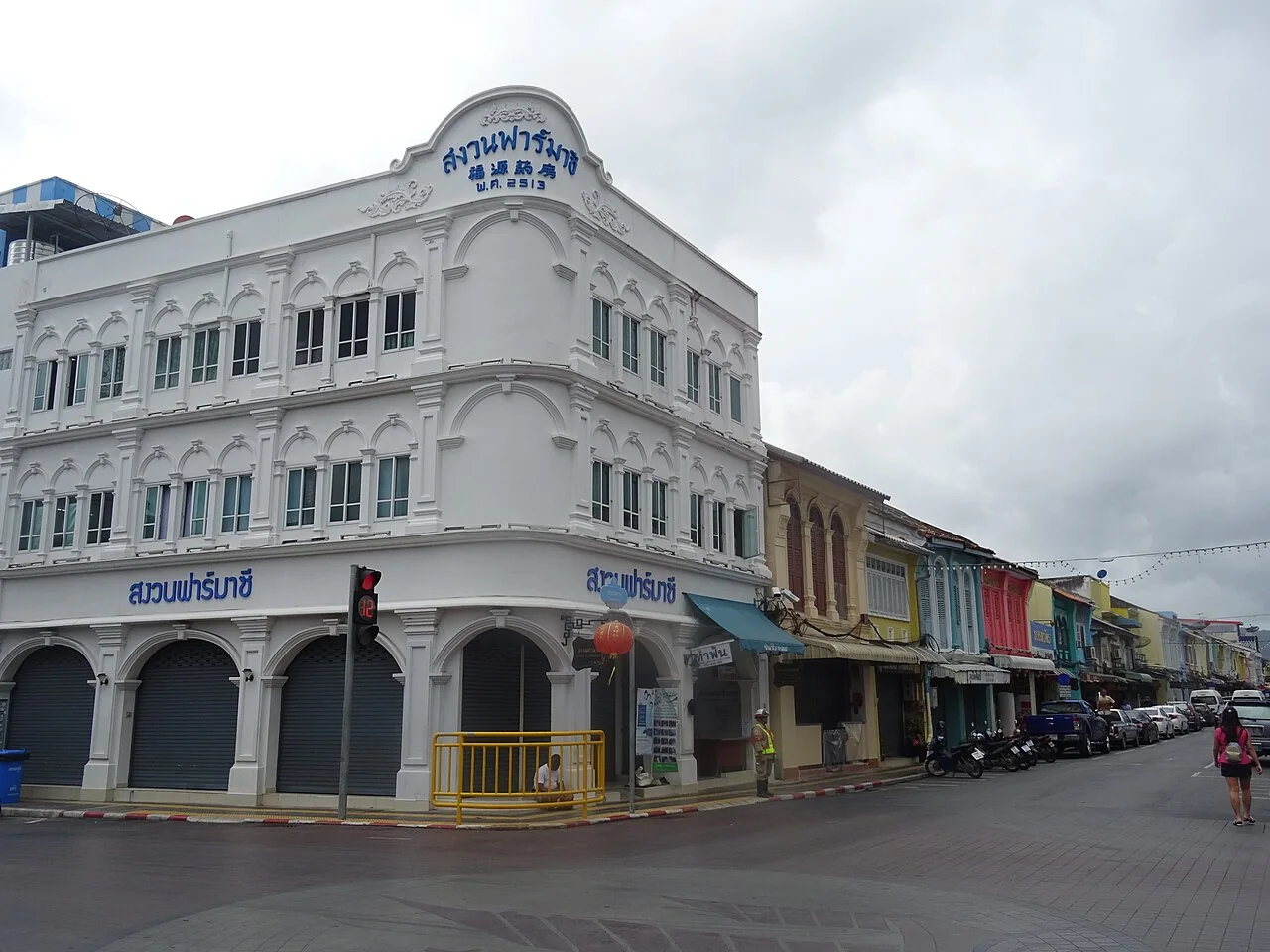
- For Chiang Mai or Phuket, arrange a temporary address near the actual institution or worksite, then test access, shopping, treatment and the journey home after dark. Ask the landlord about drainage, cooling and the building's maintenance arrangements.
02Choose the permission for the activity and the mission that can accept the application
Write down what each person will do in Thailand: a local job, overseas remote work, an admitted course, retirement or accompanying family. Match the activity to a category before choosing an application date. The visa's validity for entry, the stay granted at the checkpoint and permission to work are separate matters.
- Start at Thai e-Visa and identify the responsible Thai embassy or consulate for your passport, place of residence and application location. Read that mission's category checklist before assembling the file.
- Obtain the employer, institution, activity or family evidence needed for the selected route. Give accompanying family members their own document lists and applications.
- Submit accurate passport details and legible attachments, pay the stated fee and retain the reference. Remain in the location required by the issuing mission while it processes the application.
- Respond to document requests, then check the issued decision before travelling. Record the entry validity, number of entries and any conditions separately from the intended moving date.
The London embassy's guidance, updated September 2026, illustrates why application location matters: it serves eligible applicants physically in the UK, Ireland or the listed territories, and requires them to remain there until a decision. Its DTV route requires permanent-residence evidence. London recommends applying six to eight weeks before departure, with applications no earlier than 90 days before arrival; its timings are not a guarantee or a worldwide processing standard.
For a preliminary tourism visit, establish visa-exemption eligibility from the current mission guidance for your passport. London's September 2026 notice describes a 30-day tourism exemption for British and Irish passports subject to conditions; older 60-day summaries should not decide a relocation itinerary. A tourism visit does not establish a local employment permission or replace the appropriate longer-stay route.
03Settle the employer-sponsored job or document the remote-work route
Agree the legal employer, workplace, job description, salary, benefits and proposed start date in writing. Have the employer identify any professional licence and the applicable work-authorisation channel before treating the offer as a permission to start work.
- For an ordinary employer-sponsored move, ask the employer to obtain the approval evidence required by your issuing mission. London's current Non-Immigrant B employment checklist identifies WP32 or an existing work permit for renewal, with a stated Japanese-national exception. Teaching and BOI-supported employment have separate document entries.
- Supply the personal and qualification records requested for that role. Have the employer provide its company and position evidence, then submit the visa application through the eligible mission.
- After entry, complete the applicable work-permit process with the employer and the Department of Employment. Obtain the authorisation and read its conditions before beginning duties; a visa decision and an employer's application receipt are different from the final permission.
- Calendar both immigration and work-permit dates. Agree who handles a changed role, employer, workplace or end of contract.
For comparison, the Singapore mission's working-visa instructions, updated May 2026, require eligible applicants to remain in Singapore during processing and provide qualifying long-term-pass evidence. They request an employer letter, Labour approval or an accepted substitute, qualifications and company records. Use the actual mission's document list rather than combining requirements and fees from different posts.
For overseas remote work, assess the Destination Thailand Visa workcation category. London's September 2026 page lists five-year multiple-entry validity, up to 180 days per entry and one extension of up to 180 days. Its application requires permanent-residence evidence for its jurisdiction, financial evidence of at least THB500,000 (listed there as £12,000), an employment contract/certificate or professional portfolio, and police clearance issued within six months. The London visa fee is £300, reviewed on 16 October 2026; it is not a global fee.
Keep the remote-work activity consistent with the application. An overseas client does not make a proposed local Thai job the same activity. For a business you will operate in Thailand, establish company registration, any foreign-business or sectoral permissions, tax setup and your personal work authorisation as separate tasks before trading.
04Separate the arrival payments from recurring expenses and tax records
Budget in Thai baht (THB), separating money spent from refundable deposits, advance payments and balances needed for an application. Price the actual city, home and school rather than using a national monthly allowance.
| Initial cash requirement | Recurring expenditure |
|---|---|
| Visa charges, certificates, travel and shipment clearance | Renewals, accounting and relevant professional fees |
| Lease advance, deposit, furniture and service connections | Rent, electricity, water, internet and phone |
| School application, registration and deposits | Tuition, transport, meals and assessed support |
| Medical deposits and account opening balance | Insurance, consultations, prescriptions, food and commuting |
For a scoped calculation, RIS Phuket's published 2026–27 Grade 1–4 schedule totals THB718,400 across two semesters, plus THB5,000 application, THB200,000 registration and THB50,000 conditional refundable deposit: THB973,400 across those lines. This is an illustrative sum, not one invoice or a complete first-year household budget. Additional support and other applicable costs remain separate. Keep the deposit's refund conditions and each payment's due date with the offer.
- Ask the employer for net-pay calculations and which relocation bills it pays directly. Put the remaining invoices against their due dates before comparing monthly disposable income.
- Record arrival and departure dates. The Revenue Code's Section 41 uses 180 days or more in a tax year for individual tax residence, and covers Thai-source income even if paid abroad.
- Keep evidence of when overseas income was earned and when it entered Thailand. The Revenue Department's foreign-income guide distinguishes income earned from 1 January 2024 while tax resident and later remitted, earlier income and income earned while non-resident. Ask a Thai tax adviser to apply the relevant rules and treaty relief to the actual records.
- Establish taxpayer registration before the relevant deadline. The Department's published TIN instructions identify L.P.10.1 for individuals and application within 60 days of deriving assessable income where registration is required. Take the identity and accepted address evidence to the relevant revenue office and confirm the current file.
Keep tax residence separate from visa eligibility. Do not describe every overseas transfer as taxable income or assume that remote-work permission creates a tax exemption. Retain foreign tax certificates and transfer records for any applicable credit claim.
05Apply to the actual campus and obtain the documents for the student route
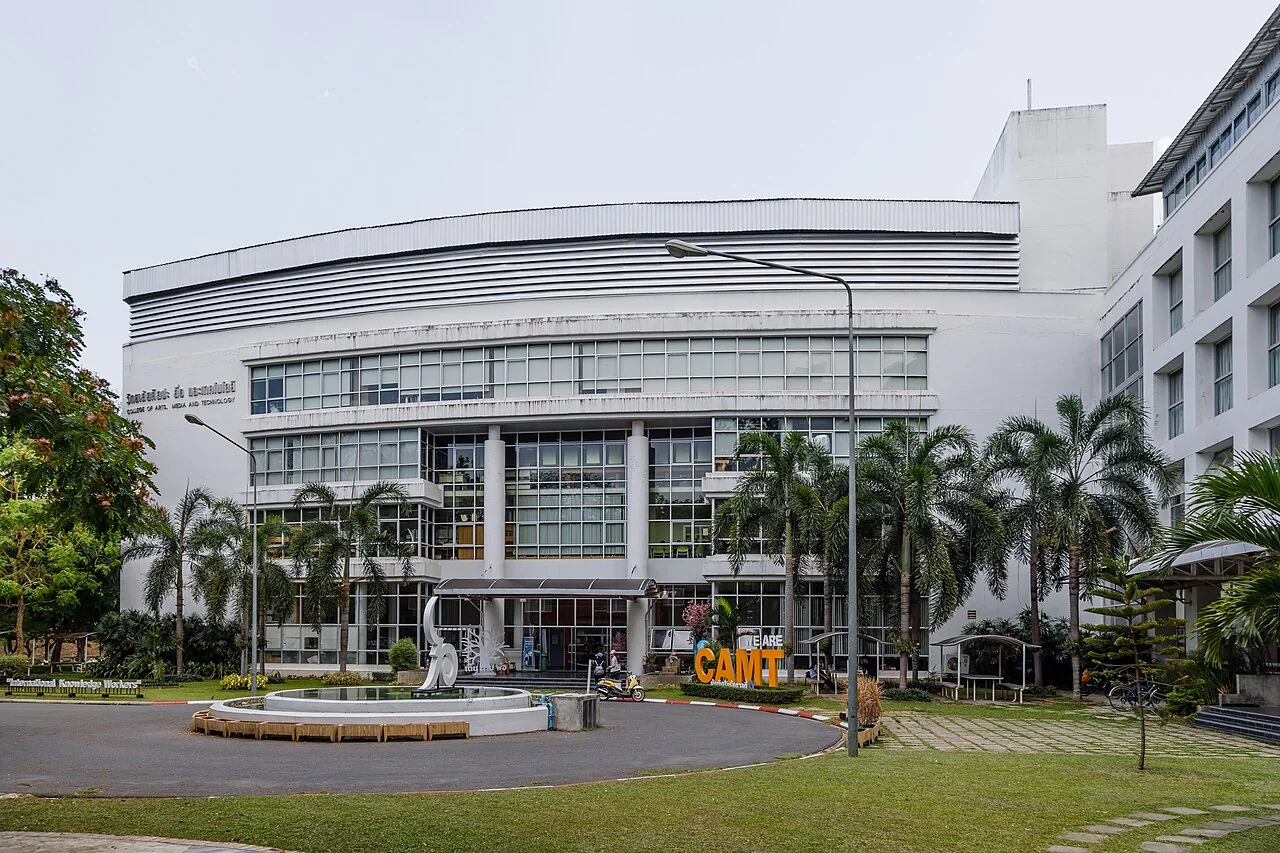
Choose the curriculum, language and support arrangements before fixing a neighbourhood. Ask which campus the learner will attend and test that journey. For Bangkok, NIST is a practical starting point; for Phuket, compare the offer and complete fee schedule from RIS Phuket with the household's proposed location.
- Follow NIST's published admissions process: submit the pre-application, discuss year placement, needs and capacity with admissions, then complete the full application if invited to proceed.
- Prepare school reports, teacher recommendations, the medical form, identity records and relevant learning-support evidence. The page reviewed on 16 October 2026 lists a THB6,000 non-refundable application fee and a separate THB2,500 assessment fee.
- Complete the assessment or interview arranged for the child. If offered a place, read the acceptance deadline, payment instructions and enrollment tasks before treating the start date as confirmed.
Compare tuition with other compulsory charges and the cost of any assessed support, transport and activities. For a clearly scoped Phuket example, RIS Phuket's 2026–27 schedule lists Grade 1–4 totals of THB362,200 for semester one and THB356,200 for semester two. Its initial application, registration and deposit lines are separate; those are included in the step 4 budget example. These are one school's published fees, not typical national education costs.
For university, use the specific programme's admissions decision and international office. Chiang Mai University Business School's student handout explains the sequence after acceptance: request the university visa-support documents, then apply abroad for the appropriate ED or ED Plus category before arrival. It states that CMU does not support changing from tourism status inside Thailand. Its ED Plus explanation applies to bachelor-level and higher degree study; do not apply those re-entry arrangements to every short course.
Keep the offer, programme dates, fee receipts and supporting letters together. Ask the institution to identify the student's route and any accompanying parent's separate application. A paid course deposit or a school offer alone does not grant residence permission.
06Choose the retirement category before committing pension income or accommodation
For a retirement application, distinguish the exact visa category and the issuing mission from later extensions inside Thailand. A checklist for Non-Immigrant O-A is not automatically the checklist for Non-Immigrant O or O-X, and a visa application abroad is not the same transaction as an extension of stay.
The Los Angeles consulate's O-A instructions, updated 1 September 2026, describe a stay of up to one year for applicants aged at least 50, without employment. Applicants must have the nationality of, or residence in, the country where they apply. Its eligibility section identifies a THB800,000 deposit over the last three months, THB65,000 monthly income or the stated annual combination; its upload checklist separately gives US-dollar evidence. Use the checklist for your issuing post rather than substituting a personal exchange-rate calculation.
- Establish the mission responsible for your nationality and residence, then obtain the exact category's financial-evidence instructions, account-history period and supporting bank letter.
- Arrange police and medical certificates within that mission's validity windows. The Los Angeles checklist requires an FBI certificate and its prescribed medical form, each within three months.
- Obtain insurance meeting the category's conditions. Los Angeles specifies THB3,000,000 or US$100,000 annual coverage including COVID-19, with a prescribed certificate for foreign insurance. A policy's marketing name does not establish compliance.
- Submit the required file through Thai e-Visa, retain the decision and organise pension payments, everyday medical care and renewal dates around the actual permission.
Keep the immigration financial evidence separate from money needed for a lease, treatment deposits and monthly spending. Confirm overseas pension payment arrangements with the paying institution. Resolve each accompanying person's route separately, and arrange suitable continuing care before selecting a long tenancy.
07Prepare the application records and clear the shipment or pet before booking transport
Prepare a file for each traveller: passport, civil-status records used for family applications, employment or admission evidence, qualifications, financial records and the certificates requested for the category. Have the receiving mission specify translation and legalisation requirements before commissioning them. Carry originals separately from the shipment and retain secure digital copies.
- Compare the records with the selected mission's checklist, including validity windows and required certifications. Resolve differences in names or dates before uploading connected family applications.
- For a shipment, make an inventory recording ownership, prior use, quantities and values. Send it with the immigration and employment evidence to the proposed customs broker for a written clearance assessment.
- Read Thai Customs' household-effects instructions, last updated in 2018. They describe relief for qualifying used household effects on a change of residence, with a normal import window from one month before to six months after arrival and specific residence/work evidence. Have Customs establish eligibility for your actual category; the existence of a long-validity visa alone does not prove relief.
- Keep the packing list, transport document, declaration, exemption application and any restricted-goods permits available for clearance. Obtain a cost estimate covering duties where relief does not apply, handling, storage and delivery.
For a pet, contact the Animal Quarantine Station at the intended arrival airport before reserving its journey. The Agriculture Ministry's instructions for dogs, cats and rabbits arriving from the USA describe an import-permit application supported by the owner's passport, itinerary, animal details, microchip evidence, photograph and English vaccination record. They then require an official health certificate and USDA endorsement for that origin. Travellers from other countries must obtain their own origin-specific veterinary conditions rather than copying the US endorsement process.
Coordinate the issued permit, official veterinarian, carrier and airport inspection so that document validity covers the journey. Keep the animal's original records and approval accessible at arrival. Do not assume import approval also establishes the documents for a later departure or return home.
08Complete the digital arrival card and confirm the permission granted at entry
Prepare the first accommodation address before departure, including its province and district, and keep the host's contact details with the booking. Carry the passport and the issued visa or other evidence relevant to your entry route. The Thailand Digital Arrival Card is an arrival record; it does not grant a visa, extend a stay or establish permission to work.
- Use the official TDAC service within three days before arrival, including the arrival date, as explained in its official FAQ. Prepare an entry for every traveller, including infants. A new arrival needs a new card; transit without passing immigration and crew are listed exceptions.
- Follow the Immigration Bureau's submission instructions: enter passport and personal details, the journey and Thai accommodation, then the requested health information. Review the preview against the passport and itinerary before submitting with the email address that will receive the record.
- Download the card and QR code, retaining an accessible copy. If the trip or accommodation changes, update the record before entry. The FAQ explains that some identity-field errors require a new submission; use the latest correct record.
- At entry, follow the immigration channel indicated for you and inspect the permitted-stay date. Resolve any mismatch between the documents and the permission recorded for the journey with the officer.
TDAC is free. The official service provides the form directly; a paid intermediary is not necessary to complete it. After reaching the first address, give the host the information needed for accommodation reporting and request its evidence. Put the permitted-stay expiry in the calendar immediately, independently of the visa's last date for entry.
09Obtain accommodation-reporting evidence and calendar the separate stay reports
Keep three records distinct: the permission to stay, the accommodation notification and the personal periodic address report. One is not a substitute for another, and reporting an address does not extend the permitted stay.
- Give the accommodation provider the passport and arrival information needed for its notification. The government explanation of Section 38 places TM.30 reporting on the host, owner, possessor or hotel accepting a temporarily admitted foreigner, within 24 hours. Ask who will file and request the resulting evidence.
- On moving from a hotel to a rented home, establish the new host's reporting arrangements before handover. Retain the address exactly as reported alongside the lease and the host's contact details.
- For an ordinary temporary stay exceeding 90 days, establish the applicable TM.47 reporting schedule with the responsible immigration office. Chiang Mai University's student guidance explains that the count restarts after leaving and re-entering Thailand and that reporting is not a visa extension. Preserve any category-specific reporting exemption rather than applying a general schedule to every visa.
- Use the office's current instructions for the chosen submission channel. CMU's guidance identifies online reporting up to 15 days in advance; retain the accepted receipt and next reporting date rather than treating submission alone as completion. The Immigration Bureau handbook hosted by Phang Nga Immigration, published in 2019, distinguishes in-person, postal and online timing; do not assume the in-person late window also permits a late online report.
The handbook lists TM.47, the passport and the previous reporting receipt where one exists, with additional copies and a return envelope for postal filing. Obtain the next appointment evidence and enter its date in the calendar. Before an expiry, arrange a stay extension separately; a pending address report does not supply additional days.
10Have the branch confirm eligibility, then activate the payment services you need
Start with the employer's payroll bank, then tell the branch your passport nationality, immigration category, address, employment status and intended transfers. Ask for the complete accepted-document list before visiting. A product's advertised opening balance does not establish that every foreign applicant qualifies.
For one practical starting point, Bangkok Bank's Savings Account page, reviewed on 16 October 2026, advertises opening with THB500 but directs foreign customers to a branch for their requirements. This is an opening deposit, not a quoted monthly fee. Its foreign-customer FAQ says an account must be opened in person in Thailand; a Non-Resident Baht Account is handled at the Silom head office. Establish which product applies rather than assuming that immigration and banking use identical residence definitions.
- Take the originals confirmed by the branch, including passport, relevant permission and employment or other purpose evidence, and the accepted address and tax-residence information.
- Complete the account and tax declarations consistently. Obtain the account name and number, inward-transfer instructions and current tariff for the services selected.
- Arrange mobile banking with the number and identity evidence the bank accepts. Ask which QR payments or PromptPay registration are available to your status and account, rather than assuming that every service is included.
- Test a modest transfer, withdrawal and bill payment. Inspect the recipient name and amount before confirming any QR payment, then retain the transaction evidence.
Ask how to update a renewed passport, changed visa, telephone number or address, and how to regain access after losing the phone. Keep the branch contact and recovery instructions accessible separately. Before relying on an overseas card as the only alternative, compare its issuer's withdrawal, conversion and international-use charges.
11Inspect the home and agree the rent, utility billing and deposit terms
Compare the exact address and building rather than renting from neighbourhood photographs alone. Inspect the access route, ventilation, air-conditioning, water pressure, drainage, internet provision and noise. Ask the owner or agent to demonstrate the appliances and identify who handles repairs and accommodation reporting.
- Confirm the owner's identity and the agent's authority to let the property. Obtain the proposed lease and a written list of payments before transferring a reservation amount.
- Identify the rent period, advance rent, security deposit, service charges, utility rates and any agent charge. Ask whether bills come directly from the utility or through the landlord, and retain the underlying calculation.
- Establish whether the property and landlord fall within the residential controlled-contract rules. The OCPB's May 2026 explanation of the 2025 rules describes a combined deposit-and-advance-rent ceiling of three months and restrictions on utility markups for covered rental businesses. Do not assume that every private owner or accommodation type falls under the same regime.
- Read the clauses for notice, early departure, repairs, deductions and deposit return. Obtain a translation you understand and resolve inconsistent versions before signing.
- At handover, photograph the condition, inventory, meter readings and keys. Sign the agreed record and keep receipts identifying the property and payment period.
OCPB's explanation distinguishes ordinary wear from tenant-caused damage and describes seven-day deposit return without damage, or fourteen days with the permitted damage deduction, within the covered rules. Take any unresolved applicability or contract question to OCPB before relying on those deadlines for a particular lease. Its official complaint service and 1166 helpline provide a practical escalation route; retain the contract, bills, photographs and correspondence needed to explain the issue.
12Choose the treatment provider and settle how care will be paid
Match healthcare to the actual household base and treatment needs. Before ending existing cover, obtain the employer or individual policy schedule and identify who is covered, when it starts, its exclusions, waiting periods and arrangements outside the chosen city. Immigration-compliant insurance and a suitable continuing-care plan answer different questions.
- Prepare a concise medical summary, generic prescription names, allergy record and the results needed for continuing treatment. Ask the receiving provider about appointment availability and the records it needs.
- Have both the hospital and insurer confirm direct billing, prior authorisation and any guarantee of payment for the planned treatment. Establish what you must pay yourself if approval is incomplete.
- Request an itemised estimate and the amount due before admission. Retain a separate reserve for costs excluded from the estimate or policy.
- Keep the assistance number, policy details and local treatment contact accessible to another household member. Ask the provider which emergency arrangements serve the actual home address.
For a concrete Bangkok starting point, Bumrungrad's patient-finance page explains that estimates can exclude pre- and post-procedure expenses, complications and home medication. It requires deposits for self-pay procedures and an estimated initial deposit for general-medicine admission; uncovered expenses remain the patient's responsibility. Its page lists payment through the cashier, arranged electronic payment or bank transfer and explains that refunds can involve exchange-rate and bank charges. Confirm the current invoice and recipient directly with the hospital before paying.
For an employer-sponsored move, ask HR whether statutory health or social-security registration applies, when it becomes effective and which facility is assigned. Do not assume a private appointment is covered by that arrangement or that a foreign newcomer receives free treatment merely by holding a visa.
13Register the phone and set up household bills around the actual address
Use a number registered to you before relying on it for account recovery or banking. AIS's registration guidance tells foreign customers to prepare their passport, SIM and phone and provides an authorised-shop option. For an existing number needing an update, it also gives the foreign-customer SMS process and follow-up verification. Ask the shop which registration and package suit your stay, rather than assuming a short tourist package provides indefinite service.
- Complete the operator's accepted identity process, then test an outgoing call, SMS and data. Record the package expiry, renewal price and allowance before leaving the shop.
- At the home, photograph the meter identifiers, opening readings and account references. Establish whether electricity and water are billed directly or through the landlord, who receives each bill and how charges are calculated.
- Have the provider confirm fixed-internet availability at the precise unit, installation costs, contract length and cancellation terms. Test mobile reception in the room where you intend to work while awaiting installation.
- Make a small bill payment using the verified account reference and retain its receipt. Keep repair, billing and building-management contacts together.
For Bangkok rail travel, enter the actual origin and destination in the official BTS journey service and use its station-area maps and timetable links. Confirm the ticket or payment method for each system used; a product accepted on one service should not be assumed to cover every interchange. Build a commuting budget from the present route, number of trips and final connections, rather than a proposed future flat fare.

14Turn the first month into a manageable weekly routine
Keep one calendar for the household, with separate entries for permissions, address reports, lease notice, school payments and insurance renewals. Learn the Thai terms used on your bills and the directions needed for the actual neighbourhood.
- Week one: confirm the host's reporting evidence, test the commute and phone, and save the local medical and building contacts.
- Week two: reconcile transfers, utility readings and receipts with the budget. Resolve any account access or document mismatch while the relevant records are available.
- Week three: complete the institution's orientation tasks and continuing-care appointments. Choose a language class, sport or parent activity you can attend regularly, confirming its current admission arrangements.
- By month's end: review actual spending and travel times, close outstanding applications and check the next reporting date. Keep proof of each completed task rather than relying on a reminder marked done.

Sources & further reading
Reviewed 16 October 2026. Sources are linked beside the relevant instructions. Visa requirements depend on your nationality and application location. Price evidence and calculations retain their stated source dates. Photograph credits, licences and capture years appear with the images.
Browse the source directory
- official BTS journey service
- NIST's published admissions process
- Thai e-Visa
- London embassy's guidance
- current Non-Immigrant B employment checklist
- Singapore mission's working-visa instructions
- Destination Thailand Visa workcation category
- RIS Phuket's 2026–27 schedule
- Revenue Code's Section 41
- Revenue Department's foreign-income guide
- published TIN instructions
- Chiang Mai University's student guidance
- Los Angeles consulate's O-A instructions
- Thai Customs' household-effects instructions
- instructions for dogs, cats and rabbits arriving from the USA
- official TDAC service
- official FAQ
- Immigration Bureau's submission instructions
- government explanation of Section 38
- Immigration Bureau handbook hosted by Phang Nga Immigration
- Bangkok Bank's Savings Account page
- foreign-customer FAQ
- OCPB's May 2026 explanation of the 2025 rules
- official complaint service
- Bumrungrad's patient-finance page
- AIS's registration guidance
Make your next step a practical one
Shortlist a city, confirm your residence route and build a budget before committing to a move.