Visa
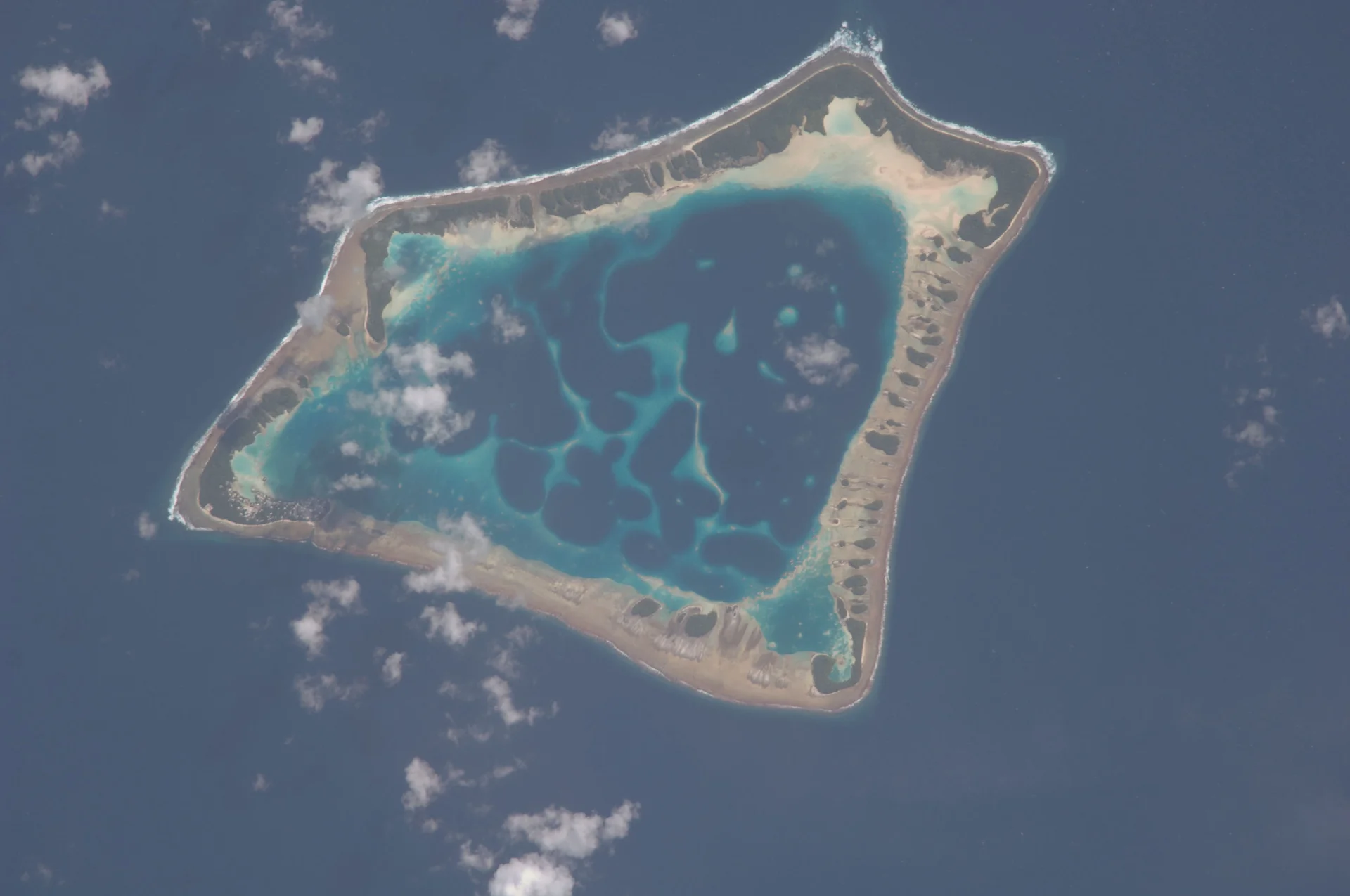
Moving & Living - Tokelau - Complete Guide
Plan a move to Tokelau through the receiving village: permission, Samoa travel and sailings, approved work, schools, accommodation, payments, healthcare and household services.
Photo credit
Life in Tokelau is organised around Atafu, Nukunonu and Fakaofo, their villages and the households that receive you. The practical starting point is a real host or approved assignment, followed by accommodation, permission and the sea journey through Samoa.
These fourteen steps follow those dependencies, from establishing the receiving arrangement to managing the first month. They connect you to the responsible offices, distinguish historical rules from verified instructions and explain where an individual decision is still needed. The documentary photographs retain their historical context.
Tokelau at a glance
- Currency
- New Zealand dollar · NZD
- Receiving location
- Atafu, Nukunonu or Fakaofo
- Journey
- Samoa plus a confirmed passenger sailing
- Local coordination
- Relevant Taupulega and receiving household
- Education
- Village schools and USP Tokelau centres
- Reviewed
- 16 October 2026
Follow your moving journey
Start at step 1, or jump to the task you are working on.
01Choose the receiving atoll and arrange a village contact first
Tokelau is not a single island with a central city and surrounding suburbs. The move must be planned around Atafu, Nukunonu or Fakaofo and the particular village, household or organisation receiving you. Establish that relationship before choosing flights to Samoa or sending belongings.
The government's visitor information describes private accommodation in village guest houses or people's homes, rather than an established mass-tourism market. Start with the receiving Taupulega, or village council, and the employer or family host. A boat enquiry, a family connection and an agreed place to stay are separate parts of the arrangement.
- Identify the proposed atoll, purpose, dates and every accompanying person. Explain whether the arrangement is a family visit, an approved posting or another activity.
- Use the government's contact directory to reach the relevant Taupulega office and establish who is coordinating the visit or stay. Retain the written response and the responsible person's details.
- Describe the accommodation, schooling, health, communications and work needs of the household. Ask which can actually be supported at that location.
- Agree the first address and arrival contact before committing to transport. Treat unresolved permission or accommodation as an unfinished prerequisite.
Atafu, Nukunonu and Fakaofo should each be assessed through the local arrangements available to your household. Do not rank them by a claimed expatriate rental supply, international-school choice or ordinary commuter network that has not been established.
Make the decision on the complete plan: who receives you, what permission applies, where you sleep, how supplies and essential care will be organised and how you can leave if necessary. A coastal photograph helps explain the setting, but cannot establish that a village has accepted a new household.
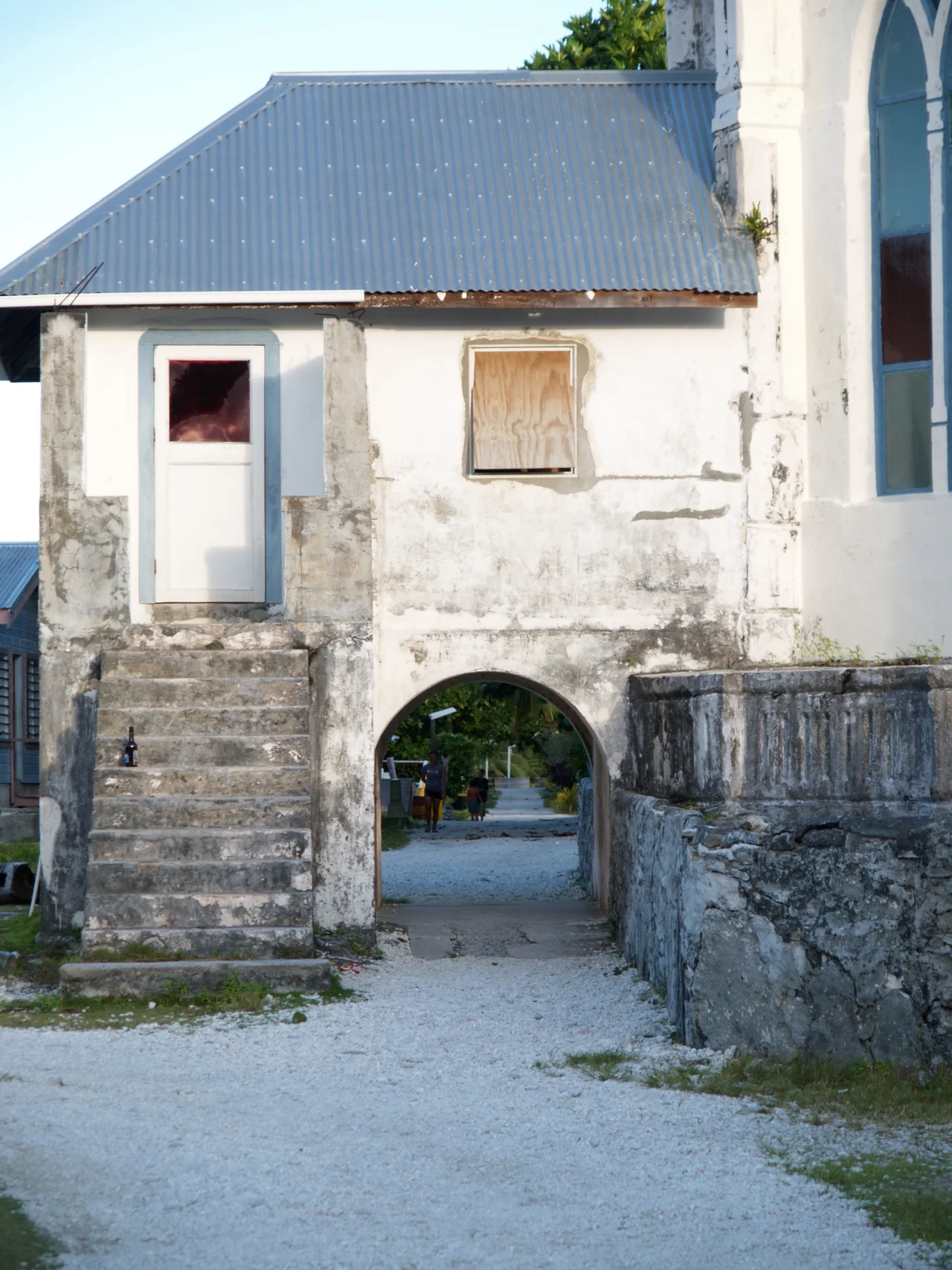
02Obtain the permission for the actual stay before travelling
Set out the purpose, intended atoll, accommodation, dates and activity for every traveller. A New Zealand passport, a right to live in New Zealand and an approved stay in Tokelau are different questions. Do not treat a family member's status as automatic permission for the whole household.
The published 1991 immigration framework distinguishes visitors, residence, work and special permits, and treats Tokelauan New Zealand citizens differently from other New Zealand citizens and other travellers. This is a historical legal starting point, not a complete current application checklist: later local amendments must also be considered.
- Ask the receiving Taupulega and the responsible immigration office to identify the current route or exemption for the nationality, family connection, activity and duration proposed.
- Request the current application form, supporting-document list, fee and submission instructions. Explain whether any work, including paid services, is planned rather than describing the entire stay as a holiday.
- Prepare the passport, host and accommodation evidence and the documents requested for that category. Submit through the specified office and retain the reference and official payment receipt.
- Wait for the written decision, then inspect the names, passport details, activity, conditions and dates. Obtain any instructions for arrival reporting or further attendance before departure.
The government's 2017 immigration amendments require claimed Tokelauan status to be established before travel through the relevant Taupulega, with written evidence available for inspection. A family history alone should therefore not be substituted for the recognition the office requires.
This review could not verify a single current consolidated public checklist or fee schedule covering all routes. The 2017 decision record discusses a fee proposal separately from its endorsed appendix, so those proposed prices are not quoted as current charges. Obtain the actual category, accepted file and payment amount from the responsible Tokelau office and keep that response with the application.
03Agree the approved posting and its complete household support package
Start with a real employer or commissioning organisation and a defined task. Do not move on the assumption that an open local employment market or a casual online income will support the household. Describe the duties, location, duration and payment arrangement accurately when establishing the permission needed.
- Obtain the written contract or assignment with the employing entity, atoll, duties, working dates, pay and leave arrangements.
- Have the organisation name the person responsible for the work permission or any official exemption. Ask for the supporting decision, not simply an assurance that government-related work is exempt.
- Agree who arranges and pays for accommodation, meals, local transport, communications, freight, medical cover and the journey home.
- Document what happens if a sailing is delayed, the assignment ends early or urgent treatment requires travel outside Tokelau. Align the permission and accommodation dates with those contingencies.
The 2017 amendment appendix sets written-certification conditions for official-business exemptions, including confirmation of the task and its duration. It also limits how an exemption may cover a spouse and children under sixteen: the arrangement must specify them, the exemption must exceed two months, and their associated right is residence rather than work. Have the issuing office establish how the rule applies to the actual assignment.
Ask whether the contract covers the accompanying household at all. A worker's room, an employer-provided meal arrangement and a place for children to live are separate commitments. Put the answers into the agreement before accepting costs that depend on them.
No dedicated digital-nomad or ordinary retirement-work route has been verified for this guide. Obtain a decision covering the activity proposed; payment from an overseas account should not be treated as proof that local permission is unnecessary.
04Build the budget from the host agreement and the full journey
Use New Zealand dollars for the Tokelau side of the plan, as the government visitor FAQ identifies NZ currency as the currency used locally. Keep Samoa expenses and conversion costs separately. A household supported by an employer, one staying with family and an independently funded visit create different cash requirements.
| Cost group | Evidence to obtain |
|---|---|
| Travel, initial | Flights, Samoa accommodation, the confirmed passenger sailing, luggage and change conditions. |
| Permissions, initial or renewal | The issuing office's current category-specific charge and official payment instructions. |
| Freight, initial | Packing, carriage, handling, clearance, landing and delivery to the receiving household. |
| Accommodation and meals, recurring | The host's written charge or agreed contribution, inclusions and payment dates. |
| Communications and household supplies, recurring | The usable service, top-up or account arrangement and items the household must purchase. |
| Health and contingency | Insurance, medicines, possible onward care and additional nights in Samoa if transport changes. |
Old undated visitor-page boat and accommodation examples have not been verified as current prices and are not used here as a tariff. Request a dated quote for the actual journey and household, then record what is included rather than comparing figures with different meals or freight arrangements.
The Tokelau National Statistics Office's CPI directory publishes household price-change releases and explains that prices are collected across all three atolls. A price index cannot establish your monthly housing or moving cost. Use its properly dated releases for context and your own accepted quotes for the budget.
Ask payroll or the commissioning organisation to explain tax, deductions, pension contributions and payment currency for the actual contract. Give an adviser the residence dates and any overseas income before making assumptions about another country's tax rules. This review has not verified a current public newcomer tax-registration checklist or a universal take-home-pay calculation.
05Agree the child's placement with the receiving village school
Arrange schooling through the village receiving the household. Do not plan a move around an assumed English-medium international school or treat a general description of local education as an admission offer. Explain the child's age, current class, teaching language, learning needs and intended length of stay.
The Department of Education identifies Tialeniu School on Fakaofo, Matiti School on Nukunonu and Matuala School on Atafu, with provision described from early childhood to Year 13. The page includes historical curriculum developments; ask the school to confirm the current class, staffing, subjects and qualification pathway for the intended term.
- Ask the receiving Taupulega to put you in contact with the school responsible for the child. Send recent reports, identity and birth records and relevant support information.
- Discuss language and curriculum transition before withdrawing from the existing school. Ask how an older student would continue assessed subjects and examinations.
- Obtain the placement decision, start date, equipment list and any household contribution or fee arrangements. Establish the daily journey and responsible pickup person.
- Keep transfer records and an alternative study plan accessible if travel or the start date changes.
For tertiary study, USP Tokelau Campus states that centres operate on all three atolls, with online learning through its supported platforms. Ask the campus office in Atafu about the specific programme, entry qualifications, mode of delivery, assessments, connectivity and current fees. Admission to a programme and permission to stay in Tokelau remain separate decisions.
The government's scholarship forms should not be mistaken for ordinary school admission or a guaranteed benefit for a newly arriving family. Establish eligibility and the actual purpose of a form before preparing an application.
06Establish the residence basis and care arrangements before planning retirement
A family connection or an enjoyable visit is not the same as an approved long-term retirement arrangement. No dedicated standard retirement visa has been verified for this guide. Describe the actual purpose, length of stay, support and care needs when establishing the applicable permission with the receiving office.
- Obtain the permission or status evidence for your own circumstances and identify any conditions affecting duration or renewal.
- Ask the pension administrator how overseas payments continue, which account it can pay and whether proof-of-life or address checks are required.
- Agree the household's accommodation, meals, daily assistance and financial contribution with the host.
- Have the receiving health service and insurer assess the medical plan, including medicines and possible treatment outside Tokelau.
Keep funds for disrupted travel and a stay in Samoa accessible. Record who can help with practical decisions if you are unwell, and give that person the assistance contacts and essential documents. Do not assume that a support arrangement suitable for a short family visit can continue indefinitely without being discussed.
Where long-term needs cannot be supported, reconsider the length or timing of the stay before making a financial commitment. Review the plan when health, household support or permission changes.
07Keep the permission file separate from luggage and biosecurity clearance
Prepare four files: personal permission, travel through Samoa, the shipment and medical or school records. Carry the originals needed for the journey and immediate appointments in hand luggage. Keep a secure digital copy accessible without depending on the phone or email account that could be lost during travel.
- Match each passport to the issued permission or recognised exemption, host details, travel booking and any accompanying-person record. Ask the receiving office which originals and certifications it needs.
- Prepare an itemised inventory with quantities, values and invoices where available. Give Transport and the host the proposed consignment, destination atoll and receiving person's details before dispatch.
- Ask for freight acceptance, packing, dangerous-goods and biosecurity instructions. Separate personal essentials and medicines from cargo whose delivery depends on a later sailing.
- Establish import permission for controlled items before purchase or packing. Do not treat food, plants, untreated wood, seeds or animals as automatically covered by ordinary luggage.
For a pet, obtain written acceptance from the receiving village, the relevant biosecurity authority, the carrier and any transit authority before booking. This review could not verify an ordinary published pet-import route, current vaccination or testing schedule, or quarantine duration for a new household. Do not ship an animal on the basis of requirements from a different Pacific destination.
Plan the return shipment too. The government's October 2025 outbound biosecurity notice asks travellers to arrange clearance through TALO and submit handicrafts for pre-clearance with an item list and destination address. It identifies vessel-arrival days and Saturday morning service; confirm arrangements for the actual return journey. Destination-country clearance remains a separate requirement.
Photograph packed valuables, record the consignment reference and keep enough clothing, documents and essentials with you for the first days. Make the inventory available to the person who will receive the cargo rather than assuming it arrives with the passenger.
08Arrange Samoa entry and confirm the actual passenger sailing
The sea leg is part of the move, not an optional connection after reaching an airport. Allow for a stay in Apia before departure and again on return. Keep Samoa entry or transit permission separate from Tokelau permission; approval for one destination does not establish the right to enter the other.
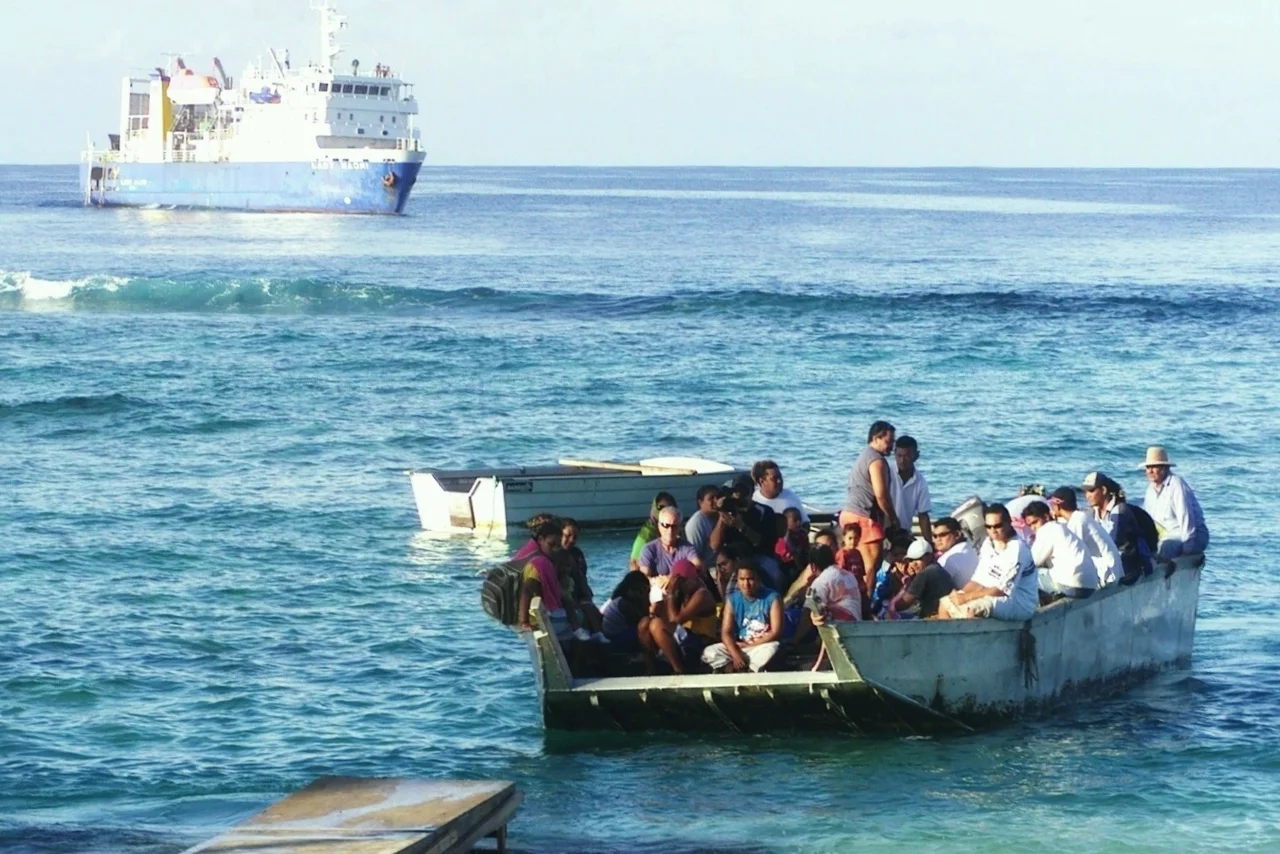
The government's shipping information distinguishes the passenger vessel MV Mataliki from LCT Kalopaga's freight role. Official pages describe different service frequencies and acknowledge changes for weather and other demands. Use the actual sailing confirmed by Transport rather than interpreting a general description as a guaranteed weekly or fortnightly departure.
- Give Transport the atoll, proposed dates, passenger names and household needs. Obtain the current passenger fare, booking conditions, luggage allowance, reporting location and check-in deadline in writing.
- Use Samoa Immigration’s permit instructions to establish the visa or visitor requirements for your nationality and itinerary. Prepare the passport, onward-travel, accommodation and financial evidence required for the Samoa stay. Arrange accommodation in Apia with enough flexibility for a delayed sailing.
- Confirm how approval, passenger clearance and the receiving village's arrangements will be checked before boarding. Retain the booking and clearance references offline.
- Coordinate the atoll landing and any ship-to-shore transfer with the host. Ask how luggage, mobility needs and children will be handled rather than assuming a conventional port terminal.
- Keep the return plan flexible and retain enough funds for additional nights and changed flights.
The Department of Transport explains that medical evacuations can disrupt passenger schedules and that village-level transport services fall under each Taupulega. A booked international flight after a sailing is therefore a separate financial commitment whose change conditions need to be understood.
Do not travel with an essential work start, medicine supply or onward flight depending on an unconfirmed arrival hour. Build the journey around the confirmed vessel and the receiving arrangement, with a practical contingency for time in Apia.
09Complete the arrival attendance and keep the issued records usable
Use the decision and the host's instructions to establish what happens at arrival. Keep the permission, any recognised exemption, passenger record and household details together. A completed application or a place on a passenger list should not be substituted for the evidence the office has accepted.
- Show the passport and written decision or status evidence at the required check. Retain the entry record and any attendance or collection instructions.
- Have the receiving contact confirm the first address and the person responsible for further immigration attendance.
- Inspect names, passport details, dates and activity across the issued documents. Resolve discrepancies with the issuing office before using the records for an employer or service account.
- Record expiry and renewal preparation dates and ask how a changed passport, address, role or family circumstance must be handled.
This review has not verified an ordinary newcomer sequence involving a separate national identity card and personal tax number. Ask the responsible government or village office which records are required for the actual permission and activity, rather than importing registration tasks from New Zealand or another island administration.
For an approved posting, have payroll identify the personnel and payment records it needs and the documents returned to the employee. Keep those with the contract without assuming that immigration attendance automatically completes payroll or financial registration.
Make copies accessible to another household member and retain official receipts. Start any permitted extension process according to the issuing office's instructions; a disrupted return sailing does not itself establish an extension of permission.
10Confirm how income reaches you and how local bills are paid
Arrange access to money before the sea journey. This review has not verified a current ordinary newcomer bank-account application, public ATM directory or universal local card-acceptance arrangement. Do not make a household budget depend on opening an account immediately after arrival or withdrawing from an assumed airport ATM.
- Ask the employer where salary will be paid, in which currency, on which dates and with what transfer charges. Give the payroll team the beneficiary details it accepts through a secure channel.
- Ask the host and each service provider how the actual bill can be paid: who receives it, the currency, due date and whether a receipt or transfer reference is required.
- Check the overseas bank's access arrangements, authentication method, charges and support contact. Test them before departure and establish an alternative if a local number cannot receive a security message.
- Agree the amount and denominations of any cash needed for the journey and first period, with applicable border declarations and secure handling considered.
- Retain a reserve accessible during a delayed sailing or unexpected stay in Samoa.
Keep the employer's payment and the household's contribution separate so each transfer can be identified. For shared expenses, agree whether the host expects a regular amount, reimbursement against purchases or payment directly to a supplier.
If a local financial service is offered, obtain its current eligibility, identity, transfer and withdrawal instructions from the provider before sending money. An old government reference to development finance is not evidence of a current retail account or a service available to every visitor.
11Agree the household arrangement and inspect what is included
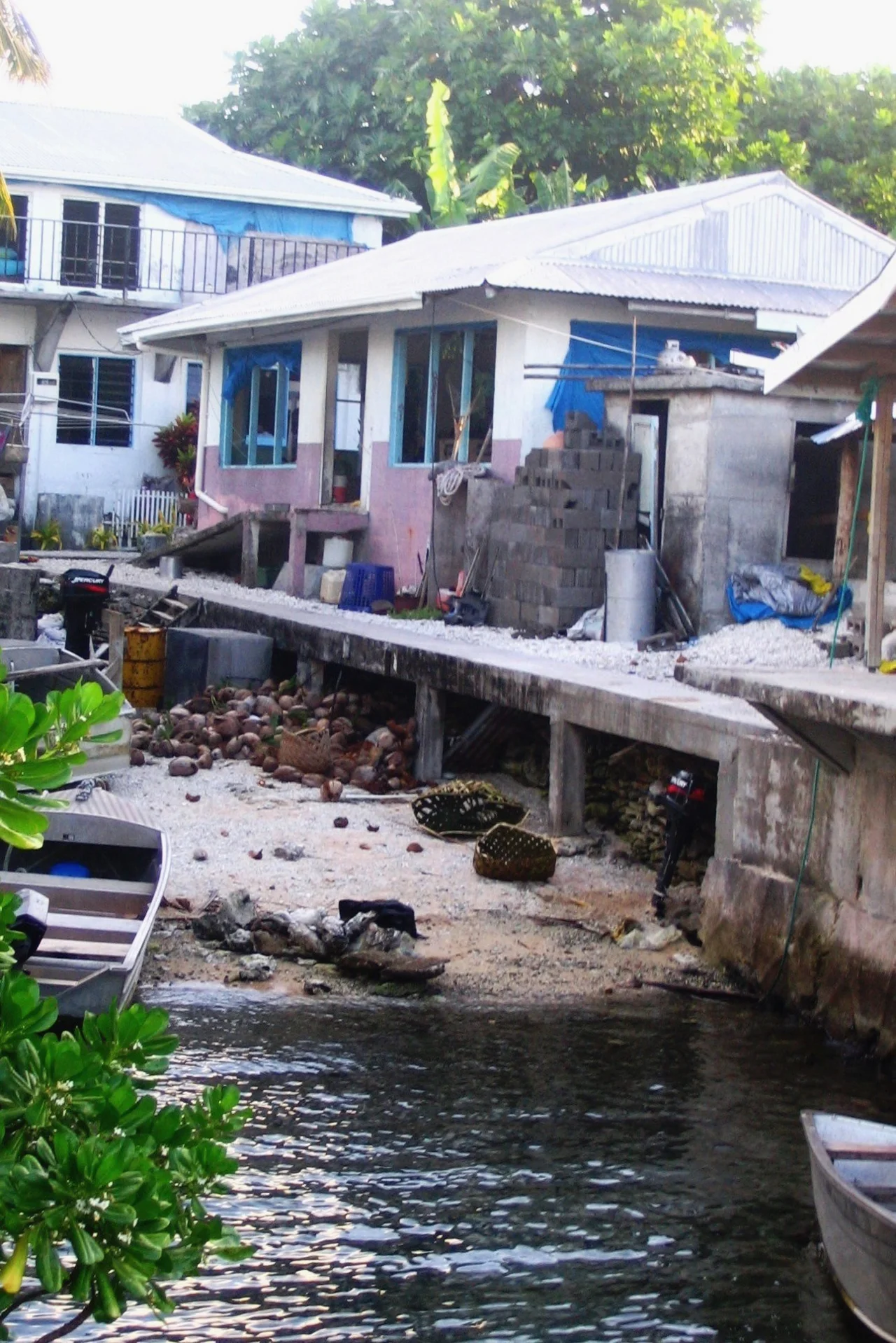
Start with the named host and the place actually offered. The government visitor information describes private arrangements in homes and village guest houses; it does not establish an open supply of apartments with standard expatriate leases. Agree the arrangement before sending a deposit or booking travel that depends on it.
- Confirm who can offer the accommodation, the receiving village's acceptance where required, the address or local description and the household members included.
- Put the dates, charge or contribution, payment currency and due dates in writing. Identify any advance payment and the conditions for cancellation, an early departure or a delayed sailing.
- List furniture, bedding, cooking facilities, meals, drinking water, electricity, communications and washing arrangements. Ask which items you must bring.
- On arrival, inspect the agreed space with the host, photograph relevant condition and record responsibilities for repairs, waste, shared facilities and keys.
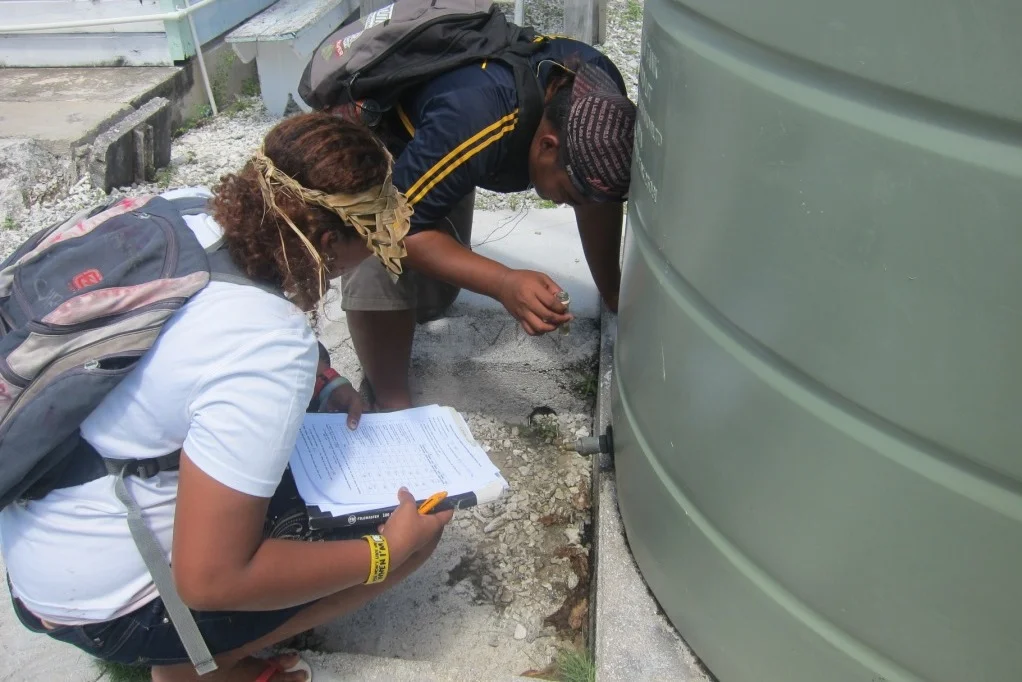
Ask how water is collected, stored and made suitable for drinking at that particular home, who manages the equipment and what the household should do when supplies are constrained. Have the host demonstrate electricity and any essential equipment rather than treating a property photograph as evidence that every service is included.
This review has not verified a standard residential deposit, universal guarantor system or public rental tariff for newcomers. Where a long or financially significant arrangement is proposed, have the competent local adviser or village office explain how it should be documented.
Keep the arrangement consistent with the permission and receiving household's capacity. An agreed room should not be expanded into an assumed right to acquire land, build or sublet.
12Agree the medical plan before the household can travel
Make healthcare a condition of the move rather than a task left until after arrival. Give a clinician the actual journey, atoll, intended stay and medical history, including pregnancy, chronic illness, mobility needs and regular prescriptions. Ask the receiving health service what can be supported locally and what would require treatment elsewhere.
The Tokelau Department of Health's traveller advice asks travellers to bring their own medication for the stay and a clinical summary. It also recommends travel insurance because medical evacuation, natural disasters and changed boat schedules can disrupt travel. Its page includes older strategic-plan material; use the clinical and receiving-service assessment for current individual arrangements rather than assuming a list on that page establishes every service available today.
- Obtain a concise medical summary, generic prescription names, recent relevant results and a vaccination record. Arrange a supply that accounts for the planned journey and a reasonable delay, subject to import rules.
- Have the receiving organisation identify the local medical contact and the process for routine appointments, urgent assessment and referral outside Tokelau.
- Ask the insurer to confirm in writing that it covers living and working at the proposed atoll, relevant conditions and medical evacuation through the actual transport arrangements.
- Establish who authorises onward treatment, where it would occur and who pays transport, accompanying-person and accommodation costs. Keep assistance contacts and policy details offline.
A referral scheme or an employer promise does not establish that every accompanying person qualifies for publicly funded treatment abroad. Obtain the entitlement and payment arrangements for each household member. Where the receiving service cannot support an essential need, resolve that before departure rather than relying on an immediate flight that does not exist.
On arrival, make the clinical summary available to the agreed provider and establish when to seek help. Keep repeat prescriptions and follow-up dates in the household calendar, with enough time to coordinate supplies through the next confirmed transport movement.
13Establish the usable connection and household service arrangements
Tell the receiving organisation what communications the task requires: routine messages, large files, remote consultations, online classes or continuous access to an overseas system. Have the host identify the service actually available at the accommodation and workplace. A general claim about national connectivity does not establish the connection at that building.
- Obtain the current operator contact through the government's departments and village directory or host. Ask about device compatibility, identity requirements, activation, usable coverage, packages and top-up arrangements.
- Test the essential calls and messages after activation. Record how to get support and how an expired package or equipment fault is handled.
- For a household internet arrangement, establish who holds the account, the allowance, any shared use and the billing or renewal date. Confirm online study and work requirements against the actual connection.
- Have the host demonstrate water, electricity and cooking equipment and identify the person responsible for faults and replenishment. Agree how supplies and waste are managed.
The provider page located during research did not yield a verifiable current live tariff, so no mobile or internet price is quoted here. Request the current offer before paying and retain its conditions. Keep essential documents, study materials and contact details available offline.
The government visitor FAQ describes walking and small boats as important ways of getting around. Ask the receiving village about the actual route, household access and any boat movement required. Arrange assistance before a time-sensitive appointment rather than assuming an urban taxi or regular inter-atoll commuter service.
14Build the village routine and close the first-month checklist
Begin with the host's explanation of village life: shared spaces, daily routines, community activities, local expectations and who to approach when something needs fixing. Ask how to participate appropriately rather than treating a small receiving community as a service centre for an independent household.
The government's visitor FAQ identifies Tokelauan as the predominant language and describes local cooperative and private stores. Learn greetings and the practical words used around the household, then use suitable language assistance for an agreement or official decision. Agree how groceries and other supplies will be bought or requested before the next freight movement.
- Review the permission, work and household arrangements with the receiving contact after the first few days.
- Set a repeatable routine for work or school, medicines, communications, shopping and household contributions.
- Identify a trusted local contact and an alternative if that person is away. Keep essential numbers and documents offline.
- Revisit the return sailing and Samoa arrangements early enough to manage changes.
- Permission: accepted records retained, arrival follow-up completed and expiry tracked.
- Work or study: role or placement confirmed and the practical equipment and communications tested.
- Home: accommodation responsibilities, water, energy, meals and waste arrangements understood.
- Money: income and bill-payment methods tested and the travel reserve accessible.
- Care: medical summary available, medicine supply reviewed and referral contacts shared.
- Transport: pending freight and return travel have a named contact and a next confirmation date.
Replace initial estimates with actual bills and record the costs and timing of anything still outstanding. Keep the host informed of changes that affect the arrangement. A successful first month is an organised record of what has been agreed and completed, with the next permission and travel tasks visible.
Sources & further reading
Reviewed 16 October 2026. Sources are linked beside the relevant instructions. Visa requirements depend on your nationality and application location. Price evidence and calculations retain their stated source dates. Photograph credits, licences and capture years appear with the images.
Browse the source directory
- government visitor information
- government or village office
- published 1991 immigration framework
- 2017 amendment appendix
- government's visitor FAQ
- Tokelau National Statistics Office's CPI directory
- Department of Education
- USP Tokelau Campus
- campus office in Atafu
- October 2025 outbound biosecurity notice
- government's shipping information
- Samoa Immigration’s permit instructions
- Department of Transport
- Tokelau Department of Health's traveller advice
- government's departments and village directory
Make your next step a practical one
Shortlist a city, confirm your residence route and build a budget before committing to a move.