Visa
Moving & Living - Tonga - Complete Guide
Move to Tonga step by step: choose an island base, arrange employment or residence, prepare schools, TIN and banking, and set up housing, healthcare and everyday services.
Photo credit
A home near Nuku’alofa’s offices and markets, a posting around Neiafu or a placement on another island group each creates a different move. Decide where work, school and care will happen before choosing the house and the connections needed to reach it.
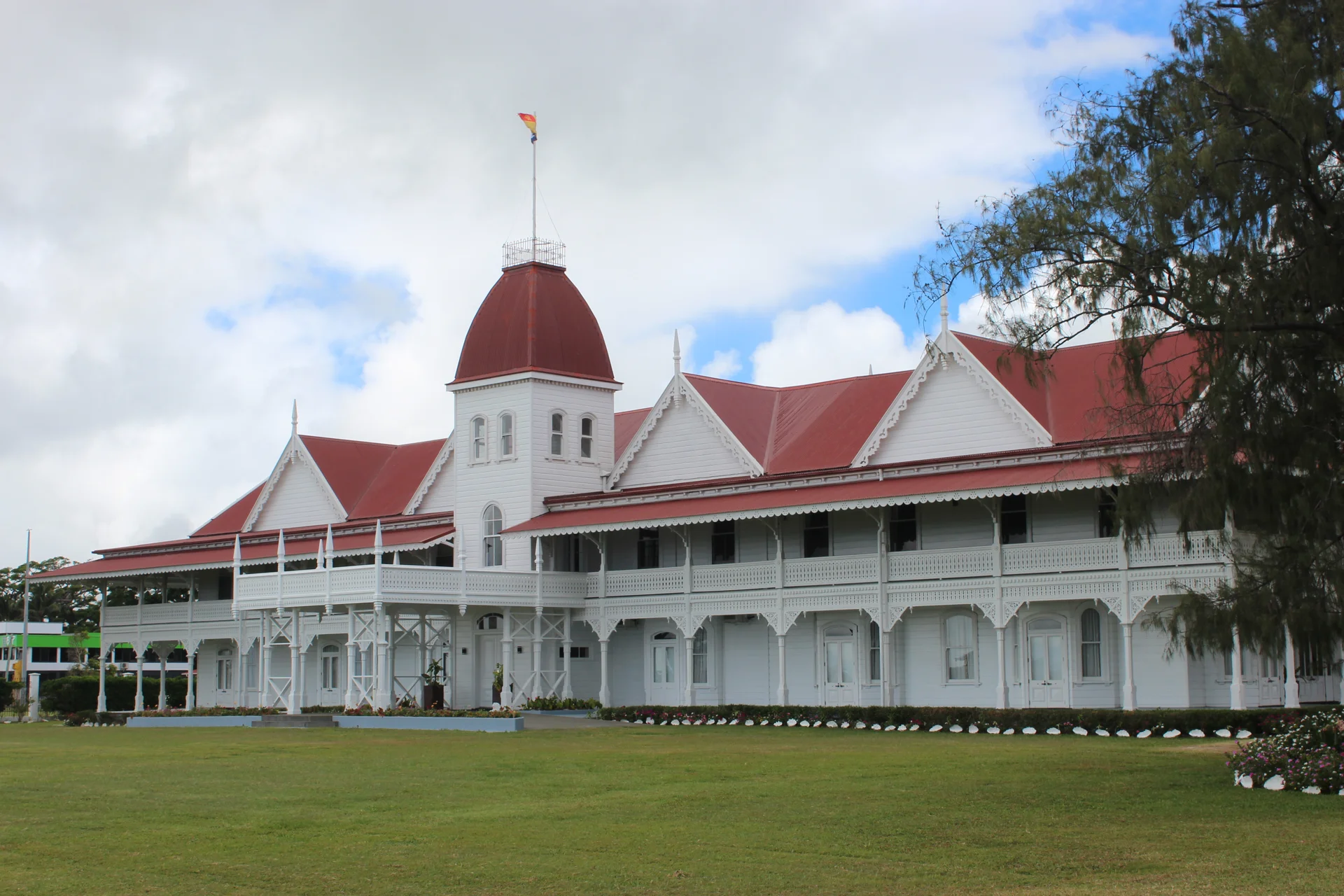
These fourteen steps follow the practical journey from preparation to the first month. They distinguish visitor entry, work and residence, explain the actual provider and registration processes, and keep the optional education and retirement tasks clear. Historical photographs show real places; they do not establish current availability or service conditions.
Tonga at a glance
- Currency
- Tongan paʻanga · TOP
- Main starting points
- Nuku’alofa, Tongatapu · Neiafu, Vava’u
- Work
- Employment permission and labour support
- Retirement
- Assured-income route with activity restrictions
- Tax record
- Revenue TIN · individual Form 1
- Reviewed
- 16 October 2026
Follow your moving journey
Start at step 1, or jump to the task you are working on.
01Choose the island group, then test the everyday journeys
Choose the island group before comparing individual houses. A move to Nuku’alofa on Tongatapu, a job around Neiafu in Vava’u and a placement in Ha’apai create different transport and service needs. An attractive waterfront address does not answer how a child reaches school or a household obtains regular medical care.
The tourism authority describes Nuku’alofa as the centre of government and commerce, with Talamahu Market among the practical landmarks. On Vava’u, Neiafu is the main town and an important starting point for the surrounding islands. Use those centres to organise a scouting visit, then assess the particular village and property.
- Mark the actual work site, intended school, shopping, clinic and transport departure point on the same map. Ask the employer which journeys must be made in person.
- For Tongatapu, compare a central Nuku’alofa address with a home closer to the workplace or campus. Visit at the hours you would normally travel and after rain if possible.
- For Vava’u or another island group, establish whether the home is connected to the job by road or requires a boat. Price and organise that movement before treating it as a daily commute.
- Book temporary accommodation long enough to inspect the proposed rental and test communications. Keep a workable alternative if a house is unavailable when you arrive.
Use a property visit to establish the drinking-water arrangement, drainage, ventilation, screens, mobile signal and the nearest usable road. For a household with regular treatment or an assessed learning need, let the actual provider’s ability to support it influence the location decision.
Ask the host or employer to explain the village’s daily rhythms, access arrangements and suitable contacts. The best first address is one you can describe accurately to a driver, service provider and emergency contact, with the journeys already understood.

02Select the permission for the purpose of the move
Write down each traveller’s nationality, family connection, intended stay and proposed activity. Tonga’s visitor arrangements, employment permission and family or assured-income residence categories serve different purposes. A passport admitted for a short visit does not establish permission to work or study.
The Revenue and Customs immigration guidance lists nationalities that may receive a thirty-day visitor visa on arrival and requires others to obtain permission before travel. It also specifies a passport with at least six months’ validity, sufficient funds and a return ticket to a country the traveller may enter. Use the actual nationality list rather than assuming all overseas passports qualify.
| Purpose | Starting point |
|---|---|
| Employment or volunteering | Employer, labour-ministry support and the employment-visa process. |
| Tongan family connection | Evidence for the applicable ancestry, former-citizen or marriage-based residence category. |
| Retirement supported from overseas | Assured-income requirements and the restrictions on activities. |
| Study or establishing a business | The relevant institution or business approvals plus the corresponding immigration decision. |
- Use the responsible Tongan mission or Immigration Division to establish the filing office, current form, accepted documents, charge and payment instructions for your circumstances.
- Assemble the supporting file before making time-sensitive medical and police appointments. Match names and passport details across family records.
- Submit through the specified channel, retain the reference and receipt, and answer requests for additional evidence through the issuing office.
- Inspect the decision’s dates, purpose, dependants and conditions before departure. Establish whether anything must be collected or completed after entry.
The embassy’s residency checklist asks for evidence of Tongan ancestry, former Tongan status or marriage to a Tongan, plus financial sponsorship. Its broad introductory wording should not be read as an unconditional settlement offer to any applicant. A spouse’s or parent’s position must be documented for the person applying.
Some official checklists remain old: the government-hosted employment PDF carries a November 2006 revision date despite its later upload path. This guide does not turn those historical charges into a current universal tariff. Obtain the amount and method from the office accepting your application.
03Secure the job and coordinate labour approval with immigration
Begin with a written offer naming the employer, workplace, duties, start date, salary and benefits. Establish what the household must pay for itself: temporary accommodation, a long rental, school costs, freight, transport, insurance and the eventual journey home. Ask whether salary begins if an approval or connection is delayed.
The embassy’s employment guidance covers both paid work and voluntary or charitable work, subject to special arrangements for certain organisations. It requires labour-ministry support; an employer’s contract alone is not the completed permission.
- Give the employer the qualifications and employment references needed to support the role. For a regulated profession, establish the separate professional registration before accepting a practice date.
- Have the employer coordinate the labour-support letter and the employment application. Prepare the requested passport, photographs, recent medical report, police clearance and character references.
- Agree a contract that explains duties and repatriation at the end or termination of employment. Retain the signed version with the permission file.
- Wait until the activity is authorised before starting. Ask Immigration how an employer or role change must be approved, rather than carrying the old permission into a different job.
For a business, start with the foreign investment certification process. The government service asks overseas applicants for the activity, location, investment and expected employment information through the Business Registries Office. Establish whether the activity is open to foreign investment and which company, business-licence and tax steps must follow.
Keep that registration separate from the business visa. A certificate for an investment does not itself grant its owner personal permission to enter or run the business. Use the responsible ministry and Immigration together to align the two files before trading.
No dedicated digital-nomad route has been verified for this guide. Explain an overseas employment or online business arrangement to Immigration and obtain a decision covering the actual activity. A foreign customer, overseas salary or laptop is not evidence of a visitor exemption.
04Build a paʻanga budget and establish your tax position
Keep the Tonga budget in Tongan paʻanga, written TOP, and list overseas costs in their original currencies before calculating a conversion. A salary with housing and transport included cannot be compared directly with one that leaves the entire move to the employee. Obtain the benefits in writing and price the missing parts.
| Initial costs | Recurring commitments |
|---|---|
| Flights, domestic connections and temporary accommodation | Rent, water, electricity and cooking fuel |
| Visa applications, medicals, police records and translations | School fees, meals, supplies and transport |
| Freight, clearance and delivery | Groceries, communications and local travel |
| Rental advance, agreed deposit and household equipment | Insurance, medicines and overseas commitments |
| Utility setup and professional or business registration | Permission renewals and a reserve for changed travel |
For a concrete initial-cost example, Tonga Power’s published connection procedure identifies a TOP 100 meter bond for a new connection. This is the provider’s published amount checked on 16 October 2026, not a complete wiring or reconnection quote. Establish whether the landlord already holds the account and who pays any required work.
Rent, groceries and transport depend on the island, property and household. Collect a dated housing offer, an actual shopping basket and the journeys you will make in a normal week. Do not use a visitor’s short holiday spending or an undated internet average as a national monthly living budget.
For tax, Revenue’s residence guidance uses alternative tests, including a home in Tonga and presence totalling 183 days in a twelve-month period that starts or ends in the fiscal year. It is not simply a calendar-year day count. The guidance also identifies Tongan-source obligations for non-residents, including personal services performed in Tonga.
Give payroll or a qualified adviser your travel dates, home arrangements, overseas earnings and other tax-residence connections. Ask for the deductions and filing obligations applying to the actual contract, including the treatment of any housing benefit. Keep the advice and a schedule of records to retain before converting the gross offer into a spending limit.

05Obtain the school place or university offer before the move
Begin with the learner’s current reports, age, teaching language and intended length of stay. Discuss curriculum and examination continuity before giving notice at the existing school. A place near the family’s first address may be more useful than an institution that requires an impractical daily journey.
On Tongatapu, Ocean of Light International School provides a practical enquiry point in Hofua, Nuku’alofa. Its own website describes early childhood, Cambridge primary and secondary programmes. Contact the school directly about the relevant year, current admission process, learning support, fee schedule and place availability; a website description is not an offer.
- Send the requested identity, birth and recent school records to the institution. Explain any assessment or support needs before accepting the place.
- Obtain written confirmation of the class or programme, start date, teaching and examination arrangements, fees and payment terms.
- Align the institution’s records with the immigration application. The embassy’s student-visa checklist calls for acceptance, fee and financial-support evidence; ask Immigration how the current route applies to the learner’s age and existing family status.
- Arrange the journey, uniform or equipment and an arrival meeting. Keep transfer documents accessible if the move changes.
For tertiary study, USP Tonga Campus has its main base on Tongatapu and centres in Ha’apai and Vava’u. Ask the campus which parts of your chosen programme are delivered at the intended location and which require another campus or an online connection.
Apply through USP’s EnrolMe portal: create and activate an account, complete the profile and submit programme choices with identification and academic records. Follow the resulting offer rather than assuming an application is admission. The Tonga campus registration process then covers academic advice, finance and fees, registration, student identification and course materials.
Request a full first-year budget including equipment, transport and connectivity. Permission to study and admission are separate decisions, so keep the institution and issuing immigration office informed of any changed programme or arrival date.
06Assess the assured-income route and the care plan together
Tonga has a named route to investigate for a retirement supported from overseas. The embassy’s Assured Income Visa guidance describes non-Tongan applicants with regular pension or fund income from abroad and publishes a minimum income requirement of TOP 10,000 a year. That eligibility figure is not a recommended living budget or a guarantee that an application will succeed.
- Document the recurring income with the pension or fund provider and the supporting account records. Ask the filing office how it assesses the applicant, accompanying household and current financial evidence.
- Prepare the requested photographs, passport, two references and timed medical and police records. The published checklist specifies a medical within six months and police clearance within three months.
- Obtain the current application charge and payment instructions from the accepting office. The embassy’s posted USD amount is specific to that mission; do not send a payment to an office using another mission’s instructions.
- Arrange housing, routine care, medicines and insurance that actually covers the intended period of residence, then submit through the specified channel.
The published assured-income conditions permit residence but do not permit employment, study or starting a business. A retirement arrangement should therefore not depend on opening a small enterprise or taking occasional work under that permission. Establish a different approval before planning another activity.
Ask the pension administrator about overseas payments, proof-of-life requests and address updates. Test access to the receiving bank and retain funds for unexpected travel. With the insurer, establish how a treatment referral outside Tonga would be authorised and paid, including an accompanying person if required.
Review the plan when health or household support changes. An income threshold can help establish eligibility, but the actual home, medical needs and transport arrangements determine whether the stay is workable.
07Prepare the personal file and clear the shipment before dispatch
Separate the documents needed to board and enter from the records used for a later appointment. Carry passports, permissions, accommodation details, essential school and medical records with you. A container may travel on a different schedule, so it should not contain the only copy of a document needed for work or study.
- Check names across identity, marriage, birth, qualification and application records. Obtain the original or certified copy and English translation the accepting office specifies.
- Prepare the cargo inventory with quantities, values, invoices and a named consignee. Ask the freight agent to identify carriage, handling, clearance, storage and final delivery costs separately.
- Send the proposed list to the clearing agent before packing controlled items. Establish which approvals must be obtained before departure and which records accompany the shipment.
- Retain the bill of lading or airway bill, inventory, insurance and clearance correspondence outside the shipment. Give the receiving person a copy of the delivery instructions.
Revenue’s private-import instructions require a customs entry and supporting shipping documents or permits, with applicable duties and taxes. The service identifies Form C13 and suggests using a licensed broker where classification, valuation or permit requirements need professional help. Used household belongings should not be assumed exempt simply because they are for personal use.
For a pet, establish admissibility before booking its carriage. The responsible Quarantine and Biosecurity Division should provide the conditions for the species, country of origin and transit route. This review could not verify a current complete public pet-import checklist, testing schedule or quarantine period; do not substitute another Pacific country’s conditions.
Coordinate the resulting import approval with the exporting veterinarian and carrier, then arrange the arrival inspection and collection. Keep time-sensitive animal-health appointments separate from the household’s immigration medicals. Obtain the landlord’s acceptance before paying for a pet journey that depends on the intended home.
08Complete entry and reach the first address with essentials
Keep the first day simple: entry, baggage, declarations, the agreed transfer and a place to rest. Give the driver or host the actual flight and arrival details and agree how to make contact if the phone cannot yet use a local network. Keep the accommodation address available offline.
- Present the passport and relevant permission or entry evidence at passport control. Check the issued stay against the decision and retain any instructions for further attendance.
- Collect baggage and submit the completed Passenger Declaration. Customs’ baggage-control instructions explain that officers may inspect baggage and require prohibited or restricted goods to be declared.
- Keep any inspection or payment receipt with the shipment records, then meet the agreed transfer. Ask the accommodation to demonstrate access, water, electricity and the arrangements for meals and supplies.
- Confirm that the household can make calls, access money and reach the next appointment. Reorganise the following day around any missing essential.
For an onward island connection, use Lulutai Airlines’ booking and management service to confirm the actual reservation, baggage conditions and arrival arrangements. International and domestic bookings can have different change and luggage rules; a confirmed seat on one leg does not complete the other.
Leave space between arrival and an appointment that requires checked documents or an onward journey. If a connection changes, inform the host, employer and school and retain the revised confirmation. Keep enough medicines, clothing and funds with the passengers to cover the immediate period without the freight.
09Retain the entry record and apply for the correct tax number
Keep the passport, entry record and longer-stay decision together after arrival. Compare the dates and activity with the employer’s or institution’s understanding, and ask the issuing office to resolve any discrepancy. Record the next immigration action in the household calendar before other appointments take over.
For tax registration, Revenue’s TIN instructions distinguish the individual application from sole-trader and company registrations. An employee should use the individual Form 1; a business owner should establish which additional registrations apply rather than assuming an employee number completes the company file.
- Obtain the appropriate form from Revenue and complete your identity, address and contact details consistently with the supporting records.
- Provide the accepted identification. For an international passport, Revenue specifies a copy of the visa page as well; prepare a clear copy of the relevant record.
- Submit through the office’s stated channel and retain the application reference. Revenue gives three to five working days as its confirmation guidance, rather than an assured deadline for every incomplete or referred case.
- Check the confirmation, then give the identifier to payroll or another authorised recipient through a secure channel. Keep a copy for later filings and any employment renewal evidence.
Ask payroll how deductions and annual statements are handled and what additional information it needs. Tax residence, the TIN and permission to work are separate questions. A successful tax-number application should not be treated as immigration authorisation.
Revenue asks taxpayers to keep contact information current and provides a recovery process if a TIN is lost. Use that service to recover the existing identifier rather than submitting a second application in a slightly different name. Keep official receipts and correspondence accessible when a provider needs to verify the record.
10Prepare the bank file and test everyday payments
Have a way to pay for the first accommodation and essential journeys before opening a local account. Carry enough local cash for the intended first period and establish where you can replenish it. Card acceptance at one hotel does not establish that the household’s market stall, landlord or outer-island supplier accepts the same card.
As one provider-specific starting point, BSP Tonga’s Pacific Standard Account page explains branch application and lists primary identification, proof of address and income evidence for a new customer. A rental agreement, utility bill or bank statement is listed for the address, with an employment letter or payslips for income. Ask the branch what it accepts for your residence and financial circumstances before attending.
- Download the provider’s application form or collect it at the branch. Match the name and address to the supporting records and bring the originals requested for verification.
- Ask for the current opening amount, transaction schedule, withdrawal charges and foreign-transfer costs. Compare those with how often you will receive and spend money.
- Apply separately for any debit-card or online service you need. Establish collection, activation, authentication and replacement arrangements.
- Make a small initial transfer, then test a withdrawal and the agreed payment method for one bill. Record the reference and any fee before sending a larger sum.
BSP describes its account as pay-as-you-go, with ATM and EFTPoS access and optional additional services. That does not mean every transaction is free or that a foreign card can use every facility without charges. Keep the actual accepted terms with the account records.
Give payroll verified beneficiary details through a secure channel. For rent, agree the payee, currency, due date and receipt method before the first transfer. Retain an alternative payment method and travel reserve if a card, device or connection stops working.
11Inspect the rental and document the right to occupy it
Use the first accommodation as a base for inspecting the actual home. Ask the employer, institution or local contact for introductions, but keep the decision tied to the particular address and written terms. A photograph or an introduction does not establish who can lawfully grant the arrangement.
- Meet the person offering the property and establish their authority to let it. Have the address, boundaries and included buildings identified clearly.
- Inspect drainage, roof condition, ventilation, screens, locks and electrical fittings. Establish how drinking water is obtained, stored and treated at that home.
- Record the TOP rent, due date, advance payment, agreed deposit and any return conditions. List utilities, furniture, repairs, garden care, notice and early departure terms.
- Photograph the condition and meter readings at handover, retain the inventory and obtain receipts for money paid. Test the route to work or school before accepting a long commitment.
Keep an ordinary household rental separate from a proposed interest in the underlying land. Tonga’s Land Administration Division identifies the land-registration and lease-and-valuation sections responsible for rights and restrictions. For a land lease, building proposal or substantial investment, have a competent local adviser verify the title, authority, approvals and registration before paying.
This review has not verified a universal rental deposit or guarantor rule for newcomers. Use the actual proposed agreement and an explanation of the applicable legal requirements, rather than presenting an agent’s requested advance as a national standard.
Have the landlord demonstrate water and power arrangements and identify who holds each service account. Agree who pays an existing arrear or inspection cost before accepting a disconnected property. If the home is shared or includes meals, set out the household contribution and use of common facilities just as carefully as rent.
12Arrange routine care and insurance for onward treatment
Plan healthcare around the particular island and medical need before accepting the home or posting. Give a clinician the intended stay, medical history and journey. Obtain a concise clinical summary, prescription names, vaccination records and relevant recent results, and ask how the required medicines can be supplied legally during the stay.
The WHO country directory identifies the Ministry of Health at Vaiola Hospital as a practical contact point. Ask the receiving service where routine care is obtained for your address, how an urgent assessment is reached and how a referral beyond the local facility would be organised. A general hospital listing does not establish that a particular specialist is available on the day needed.
- Have the receiving provider assess whether the regular treatment and follow-up can be supported. Establish appointments and payment arrangements before a prescription runs out.
- Ask an insurer to confirm that the policy covers living, working or studying in Tonga for the intended duration, including relevant conditions and activities.
- Obtain written details of medical evacuation, onward treatment, direct billing or reimbursement, pre-authorisation and accompanying-person costs.
- Keep the assistance number, policy, clinical summary and medicine list accessible offline and share them with a trusted household contact.
FCDO’s Tonga health advice identifies limitations in local facilities and medicine availability and advises cover for treatment and medical evacuation. It gives 933 as the ambulance number. Use the insurer’s instructions promptly if referred for treatment, while following the treating team’s urgent directions.
This review has not verified a general newcomer entitlement that makes all public treatment or overseas referral free. Ask the provider and employer how the household’s actual status is treated and what must be paid. A work benefit should specify dependants and referral costs rather than simply saying that medical care is included.
13Activate communications and agree the service accounts
Ask which connection actually serves the accommodation and workplace. Tonga Tourism’s practical information identifies TCC and Digicel Tonga as the telecommunications providers. Compare usable coverage and support at the intended address, then take the identity and device details the selected provider requires for activation.
- Activate the accepted service and test calls, messages and the applications needed for work, school and bank authentication.
- For prepaid data, inspect the validity and expiry conditions before purchase. Digicel’s Tonga data-promotion instructions explain purchase through its app or *123# and balance checks through *130#; the advertised short bundles have no rollover.
- For a household internet account, agree who holds it, any allowance or shared use, payment date and fault contact. Test essential meetings or uploads rather than relying on an advertised maximum speed.
- Have the landlord explain water supply, storage and billing, power and cooking fuel. Record which account belongs to the tenant and which remains with the owner.
If the home needs a new electricity connection, Tonga Power’s procedure requires the connection request, relevant electrical-contractor work and Electrical Commission inspection, followed by the meter-bond and connection arrangements. A long-disconnected property can also require inspection. Coordinate this with the owner before setting the move-in date.
For daily travel, the tourism authority’s transport information describes taxis, rental vehicles and local buses on Tongatapu and ‘Eua, with flights and ferries between island groups. Confirm the actual route, service and fare for the journey you will make. Agree a taxi price before departure and retain a reliable alternative for a school or medical appointment.
Before driving, have the competent licensing office and rental company establish the accepted licence, any local permit, vehicle category and insurance for your circumstances. The tourism pages reviewed give inconsistent explanations of overseas-licence use, so this guide does not supply an unverified conversion deadline.

14Settle into the local week and finish the first-month tasks
Organise the week around the people and places you actually use: work, school, the market, the clinic, the bank and the household. Learn how the neighbourhood obtains supplies and deals with a fault, and identify a contact who can help explain a local procedure when language or unfamiliar records make it difficult.
Tonga Tourism’s practical guidance describes Sunday as a day of rest and worship, with many businesses and services closed. Plan routine shopping and administrative visits around that pattern. Ask about suitable dress and participation before attending a village or church event, and learn useful Tongan greetings and household vocabulary.
- Review the home and work arrangements after the first week. Resolve a missing service or unclear charge while the original agreement and handover are still easy to discuss.
- Replace estimated expenses with actual receipts. Adjust the reserve for the household’s island journeys, medicines and overseas commitments.
- Make the school, healthcare and bill-payment routine repeatable. Establish a backup for a lost device, changed connection or absent local contact.
- Review the next permission or travel deadline early enough to obtain documents and appointments.
- Immigration: entry and residence records checked, conditions understood and renewal preparation dated.
- Employment: authorised role, payroll details and any professional registration complete.
- Money: TIN and bank details retained, payments tested and fees recorded.
- Home: agreement, inventory, service responsibilities and receipts accessible.
- Care and education: provider contacts, learner placement, medicines and follow-up established.
- Transport: daily route, pending freight and possible onward treatment or return travel have named contacts.
Keep official documents separate from casual messages and tell the relevant office when a change affects its records. The first month should leave the household with fewer unresolved assumptions: an accepted address, usable services and a clear list of what happens next.

Sources & further reading
Reviewed 16 October 2026. Sources are linked beside the relevant instructions. Visa requirements depend on your nationality and application location. Price evidence and calculations retain their stated source dates. Photograph credits, licences and capture years appear with the images.
Browse the source directory
- Nuku’alofa as the centre of government and commerce
- Vava’u
- Revenue and Customs immigration guidance
- residency checklist
- employment PDF
- employment guidance
- foreign investment certification process
- business visa
- Tonga Power’s procedure
- Revenue’s residence guidance
- Ocean of Light International School
- student-visa checklist
- USP Tonga Campus
- USP’s EnrolMe portal
- Tonga campus registration process
- Assured Income Visa guidance
- Revenue’s private-import instructions
- Quarantine and Biosecurity Division
- Customs’ baggage-control instructions
- Lulutai Airlines’ booking and management service
- Revenue’s TIN instructions
- BSP Tonga’s Pacific Standard Account page
- Land Administration Division
- WHO country directory
- FCDO’s Tonga health advice
- Tonga Tourism’s practical guidance
- Digicel’s Tonga data-promotion instructions
- the tourism authority’s transport information
Make your next step a practical one
Shortlist a city, confirm your residence route and build a budget before committing to a move.