Visa

Moving & Living - Turks and Caicos Islands - Complete Guide
Move to the Turks and Caicos Islands step by step: choose an island, arrange lawful work or residence, plan schooling and costs, find a home and establish everyday services.
Photo credit
Life on Providenciales centres on different journeys and services from life on Grand Turk or the quieter Caicos islands. Start with the place you need to be each weekday, then fit immigration, accommodation and the household budget around that choice.
These fourteen steps take you from the first employment or residence enquiry to a functioning home. They explain local paperwork, school applications, banking, rentals and health enrolment, with photographs and direct sources. Education and retirement steps are optional; visitor entry is kept separate from permission to work or reside.
Turks and Caicos Islands at a glance
- Currency
- US dollar · USD / US$
- Possible bases
- Providenciales · Grand Turk · North and Middle Caicos
- Work
- Appropriate permit or recognised exemption
- Family planning
- Separate status and school arrangements
- Services
- Confirm the provider for your island and address
- Reviewed
- 16 October 2026
Follow your moving journey
Start at step 1, or jump to the task you are working on.
01Choose an island around your weekday commitments
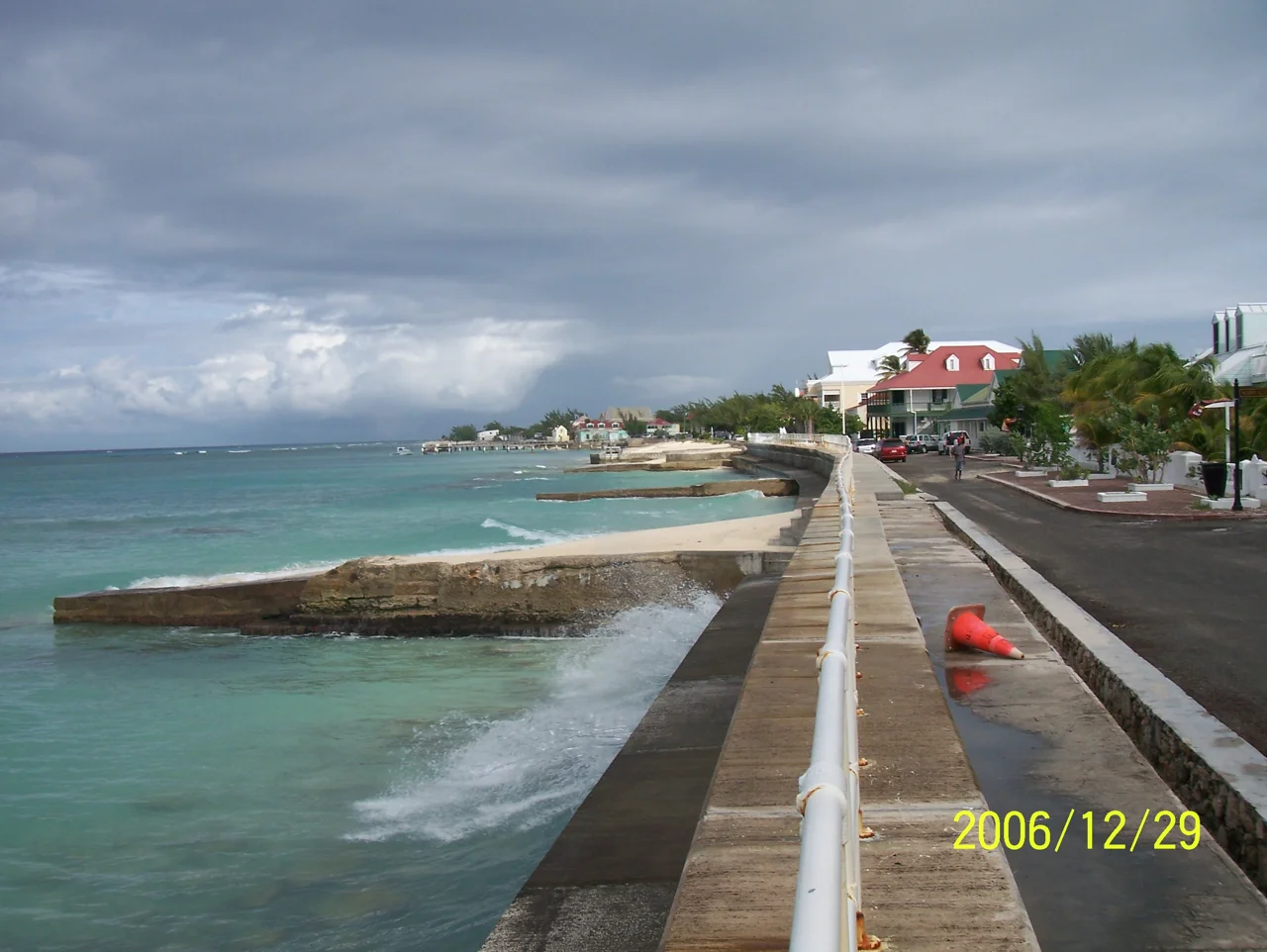
A move to Providenciales and a move to Grand Turk need different plans. Start with the island where your job or household commitment actually sits, then choose the neighbourhood. A beach you enjoyed on holiday is only one part of a working week.
| Base | Useful starting point | Question to resolve |
|---|---|---|
| Providenciales | Grace Bay for the resort district; Leeward for an International School enquiry | Can you manage the school run and workplace journey from the actual property? |
| Grand Turk | Cockburn Town and Front Street | Are your employment, shopping and medical appointments on this island? |
| North or Middle Caicos | A quieter island setting | Which errands require travel to Providenciales, and what happens when a sailing changes? |
The official tourism organisation's island overview is a useful first orientation, rather than a measure of rental availability. Use it to understand the separate islands before comparing addresses.
- Put your workplace, prospective school and medical provider on the same map. Ask each for its exact entrance, rather than using an island-wide search result.
- Request two or three annual rental options within that area. Compare parking, internet service, water supply and the journey at your actual start time.
- If considering a smaller island, make a list of tasks you would need to do elsewhere. Include the transfer cost and lost working time in the decision.
- Book a short initial stay that allows property viewings. Walk the immediate area and try the journey before signing a year-long lease.
02Match your permission to the reason for moving
Visa-free travel is useful for a visit; it does not establish a right to take a job or settle. British citizenship also needs careful handling: a UK passport and a Turks and Caicos British Overseas Territories passport are different documents.
- Use Border Force's entry requirements to establish whether your nationality requires a visa. Its published exemption also covers lawful residents of the UK, US or Canada and holders of valid travel visas for those countries. Keep the relevant evidence with your passport.
- Identify the longer-stay basis: an employer-sponsored work permit, an applicable family residence category, study permission or a qualifying non-working residence application. Write down who submits it and whether you must remain abroad during processing.
- For a job, follow the employer-led process in Border Force visas and permits. Ask for the application reference and the approved conditions before agreeing a start date.
- For a family move, establish the spouse's and children's permissions individually. An endorsement on another person's permit should not be treated as an independent right to employment.
The government immigration FAQ identifies homeowner, investor, independent-means and spousal residence categories. Its older procedural pages were readable through the research service but some direct government links returned errors during review. Use Border Force's working site to obtain the current form, fee and submission address where an older page is unavailable.
Keep a simple household permission table: applicant, passport, category, sponsor, application location, reference, validity and permitted activity. This makes a missing child's application visible before flights are bought.
03Secure the job or establish a lawful business plan
Discuss relocation as part of the employment offer. A salary figure alone leaves substantial questions unanswered: who pays permit costs, whether accommodation is included, how children will be schooled and what happens if employment ends.
- Obtain a written offer specifying role, island, salary currency, hours, probation, leave, health arrangements and relocation support. Ask whether the accommodation allowance is cash, a named property or a temporary hotel stay.
- Give the employer the documents needed for its permit submission. The published work-permit guidance describes local recruitment evidence, an employment contract, job description, qualifications and the employer's business licence. It distinguishes employed, self-employed and restricted freelancer categories; the last is not an open digital-nomad programme.
- Agree a start date conditional on the necessary permission. Retain copies of the application and decision rather than relying on a verbal assurance that paperwork is under way.
Entrepreneurs need to resolve the business activity before leasing premises. Ask the Revenue Department which licence category applies, whether ownership restrictions affect it and which supporting permissions are required. Company formation alone does not answer those questions or grant personal work permission.
A specific current restriction matters for construction: the Ministry's 2 October 2026 contractor-licensing notice extends a moratorium on new contractor licences involving non-Islander ownership or involvement from 1 October 2026 to 30 April 2027. It distinguishes existing valid licences and renewals. Do not commit capital on the assumption that a new foreign-owned contractor application will be processed normally.
04Separate your moving cash from monthly spending
Prepare the budget in US dollars. Keep three columns: money spent once, money refundable later and recurring spending. A refundable security deposit is still cash you cannot use for groceries during your first month.
| Item | Evidence or calculation | Scope |
|---|---|---|
| Recurring rent | The Atrium advertises studio rents starting at US$1,800 per month, with internet, TV and utilities additional | One Providenciales provider, minimum one-year lease; its page reports no current availability |
| School tuition | ISTCI annual Senior Kindergarten–Year 6 tuition: US$13,680 for 2026–2027 | One private school; extras and payment options differ |
| Lease cash | If your agreed rent were US$2,000 and the contract required first month, last month and a separate one-month deposit, the initial total would be US$6,000 | Hypothetical calculation, not a quotation or legal rule |
| Other initial costs | Obtain actual permit, certification, freight, customs, insurance and utility-deposit quotations | Depends on household, origin, property and immigration category |
The rent figure comes from the Atrium's own long-term enquiry page, not a national average or an available-home promise. Use ISTCI's 2026–2027 fee schedule only for that school and academic year.
For monthly spending, obtain the property's recent electricity and water bills, a home-internet quote, transport costs and your household's grocery basket. Add insurance, school instalments where chosen and a reserve for inter-island travel. Annualising a fee is helpful for saving, but it does not change when payment is due.
Ask payroll for the deductions applicable to your employment category. NIB social insurance and NHIP health contributions are separate. Confirm rates and earnings ceilings with the boards rather than treating gross salary as take-home pay. Resolve continuing tax residence and reporting in your previous country before changing payroll or transferring investments; immigration approval does not settle those obligations.
05Obtain school places before fixing the family address
Contact the school for the actual year group and proposed start date. Family accommodation should follow a workable school plan, particularly where one adult will be responsible for the daily school run.
- For younger children and middle years, start with International School Turks and Caicos admissions in Leeward, Providenciales. Email the admissions team, arrange a tour and complete its online application with the latest school report and relevant medical documents.
- Ask how your child's age and previous curriculum map to the proposed year group. An assessment or classroom visit may form part of placement. Applications after the published priority cycle remain subject to space.
- For a secondary-school comparison, review British West Indies Collegiate's curriculum and ask directly about the subjects and examination stage your child needs. Obtain the current admissions checklist and fee quotation from the school.
- Get the written offer, payment dates, uniform requirements and support arrangements. Keep reports, vaccination records and any learning-support assessment accessible during the move.
At ISTCI, a Year 1–6 first-year example using annual tuition is US$14,790: US$13,680 tuition, US$400 registration, US$300 books and technology, US$360 for three pool-fee terms and US$50 library fee. This calculation excludes transport, uniform and other household costs; it uses the published 2026–2027 school fees, not three termly tuition payments. Families arrange their own transport.
Older students should contact the chosen college or university directly about entry qualifications and recognition of previous study. Where student permission is required, the immigration FAQ says to obtain institutional acceptance and remain outside the territory until approval. A parent's employment application should not substitute for resolving the student's status.
06Test a non-working move before buying property
Retiring here involves three separate decisions: whether you qualify to reside, whether the household can fund the move and how healthcare will work. A foreign pension is income evidence; it is not itself an immigration permission or a health-insurance card.
- Identify the proposed residence category with immigration. Ask which income, asset, property and dependant evidence is required for your circumstances, and obtain a written checklist before paying an agent or buying a home.
- For the homeowner route, Border Force's published homeowner-permit guidance describes a home valued at at least US$300,000, financial self-support and a permit typically lasting five years. The page was last modified in March 2024: obtain current confirmation before a purchase, including valuation evidence and all fees.
- Match the activities you intend to undertake to the permit conditions. The homeowner description excludes gainful occupation. Renting out property, managing a business or continuing remote employment needs its own permissions analysis.
- Price medical insurance for your age and existing conditions, including any overseas treatment arrangements. Choose the island only after you understand where recurring appointments would occur.
Run a trial household budget using a real long-term rental, ordinary shopping and transport. Add the cost of returning to family overseas and keeping income accessible if one bank account is temporarily unusable.
Do not assume the NHIP pensioner category accepts every incoming retiree: the board's linked enrolment requirements identify qualifying status documents and NIB pension evidence. Ask the board to assess your category, and keep suitable private cover in place while eligibility is unresolved.
07Prepare documents, freight and pets in parallel
Keep original identity and permission documents in hand luggage. Freight may arrive later than you do, and a document locked inside a shipping container cannot help at immigration or a bank appointment.
- Prepare passports, birth and marriage records, employment papers, qualifications, school reports and relevant medical records. Ask the receiving authority which copies need certification or translation before ordering them.
- Request police and health documents to match the permit checklist and its validity rules. The published work-permit checklist includes a police record and certificate of good health; do not assume an old employment medical will be accepted.
- Create a numbered shipment inventory and retain purchase evidence for significant items. Ask the customs authority or your clearing agent for classification, restrictions, charges and any category-specific relief before freight leaves the origin port.
- Separate costs for shipping, destination handling, customs clearance, delivery and storage. Ask which documents are needed from you, and when storage starts if clearance is delayed.
Use Border Force's trade services for customs contacts and import services. A household move should not be described as duty-free unless customs has confirmed that the particular relief applies.
For a cat or dog, follow Agriculture's pet-import process before booking carriage: obtain the import permit and an international health certificate endorsed by the exporting country's competent authority, with the supporting veterinary records appropriate to origin. First entry uses a single-entry permit. Check breed restrictions before making travel arrangements, notify the department of the arrival details or changes at least 48 hours before entry and arrange the port inspection. Permit processing is only one part of a veterinary timetable.
08Arrive with the right evidence and a short first-day plan
Make the first day simple: border formalities, accommodation, a working phone and contact with the employer or host. Leave bank appointments and property inspections for a day when you have time to resolve missing paperwork.
- Carry your passport, visa or applicable exemption evidence, approved work or residence documents, accommodation details and sponsor contacts together. Keep the documents for accompanying children accessible.
- Follow Border Force's passport rules for your nationality. Its general guidance specifies six months' validity, with a duration-of-stay exception for US, UK and Canadian passport holders. A carrier's acceptance does not determine admission.
- At immigration, explain the actual purpose of the trip. Read the permission and dates you receive and resolve an apparent mismatch before leaving the arrivals area.
- Complete the required customs process for your baggage and any declared goods. If bringing a pet, follow the inspection arrangements already agreed with Agriculture.
- Reach the booked address using an arranged transfer or a properly documented rental vehicle. Save the address offline and give someone in the household the host's telephone number.
Photograph the relevant admission record and store it with the approval documents. Send your employer the arrival confirmation it needs, without circulating full passport copies unnecessarily.
Buy the immediate household basics before tackling permanent services: drinking water as needed, food for the first evening, prescribed medicines already cleared for travel and a charger. A temporary SIM or suitable eSIM can keep appointments and transfers workable while you compare ongoing plans.

09Complete the registrations that apply to your status
Keep immigration, social insurance and health enrolment as separate tasks. A newcomer should not apply for an Islander status card simply because a provider's identity list mentions one; it represents a particular legal status.
- Read the approval letter and arrival conditions with the sponsor. Identify any collection, endorsement or follow-up action, its deadline and the office responsible. Retain the actual permit and record the renewal date.
- If starting insurable employment, use NIB registration guidance to obtain your National Insurance number. The board describes registration for working people aged 16–65 and requests proof of age, identity, citizenship and a work permit where applicable. Bring originals or certified documents; initial registration and the original card are free.
- Give payroll the correct NIB reference and confirm that employment has been recorded. Keep your payslips so you can reconcile deductions and resolve an incorrect identity or contribution record.
- Make the separate NHIP enrolment application for the appropriate category. Ask how eligible family members are added rather than assuming that one employee registration covers everyone.
Some older application pages could not be retrieved directly during this review. Where an instruction or form is unavailable, obtain the current requirements from the board or Border Force before relying on an older download. Keep the name of the office, date of advice and submitted-document receipt in your household file.
Make a calendar with reminders before each permit expiry and before a child's documents need renewal. Include the consequences of an employer or address change in the conversation with the authority, rather than assuming an existing approval transfers automatically.
10Open an account and test the payment chain
Prepare for the bank before moving your full balance. A lease, employer letter and existing bank statement can be useful while you have no local utility bill. Account opening still depends on the bank's review.
- Compare the current charges for the transactions you will actually use: salary receipt, transfers, ATM withdrawals, debit-card purchases and international payments. Keep an existing payment method available through the opening period.
- Use Scotiabank TCI's account-opening checklist as one practical starting point. It lists primary photo identification, secondary identification and two contact/address documents, with examples including a utility bill, bank statement, lease or landlord letter. Non-resident customers also need a reputable bank reference or current account statement.
- Prepare the source-of-funds evidence for the initial deposit and continuing income. Take documents that explain an employer payment, pension or property-sale proceeds instead of assuming the transfer itself explains the source.
- If eligible for the bank's online opening process, choose the account, complete identity and customer-profile checks, upload the requested evidence and follow the review and signature instructions. Use the branch if your documents or residency category do not fit the online flow.
- Test a modest transfer, card use and the rent-payment method. Keep the beneficiary details and payment reference exactly as agreed with the landlord.
Confirm how bill payments are credited before scheduling them. A transfer sent on a due date may be different from a payment received and allocated to the right account that day.
For a household with two adults, decide who can access which account and what happens if a card is lost. Save bank contacts separately from the phone carrying your banking app.
11Inspect the home and negotiate the whole lease
Search specifically for long-term accommodation. A monthly price on a holiday listing does not necessarily mean the owner will accept an annual tenant, and a long-term enquiry form does not prove a unit is vacant.
- Request the actual address, lease length, move-in date, furnishings, parking and complete payment schedule. Arrange a viewing and establish who is authorised to let the property before transferring a deposit.
- Inspect air-conditioning, water pressure, doors, windows, drainage and the actual internet connection. Ask how the property is secured for storms and which repairs the owner handles.
- Read the deposit, notice, early-termination, renewal and maintenance terms. Ask how a job ending or permit refusal would affect the agreement; put any agreed arrangement in writing.
- Separate prepaid rent from the security deposit. Record the amount, permitted deductions, return process and who holds each payment.
- Photograph the inventory and meter readings at handover. Report existing damage in writing and retain the acknowledgement with the lease.
For a concrete local comparison, LG Properties' own FAQ describes a standard 12-month term, a one-month security deposit, last month's rent at signing and additional deposits where the landlord bills utilities. Furniture and ordinary maintenance are described separately from electricity, water, internet and cable. These are that provider's terms, not a universal statutory deposit rule.
Ask the landlord to identify every meter and account serving your unit. Resolve shared-meter billing, water storage and service interruptions before signing. Obtain landlord consent for service applications where needed, and specify whether a connection deposit belongs to you or remains on the owner's account.
12Confirm coverage before you need treatment
Identify the provider for your routine needs before the move. Discuss ongoing prescriptions, pregnancy care, specialist follow-up and any equipment with a clinician who can explain continuity of care.
- Ask NHIP to confirm the category under which you and each dependant can enrol, when coverage begins and what evidence is needed. Do not treat an employment offer as confirmation of active cover.
- Use the enrolment requirements linked by NHIP to prepare passport and lawful-status evidence. The linked PDF is labelled April 2015. Its renewal-letter alternative expressly does not cover first-time registrants or first-time work-permit applicants, so obtain current instructions if the permit card is not yet available.
- Retain private cover for any gap and compare exclusions, excesses, direct-billing arrangements and overseas referral or evacuation provisions. Ask about pre-existing conditions in writing.
- Contact TCI Hospital about your care pathway. Cheshire Hall Medical Centre is on Providenciales; Cockburn Town Medical Centre is on Grand Turk. The hospital's website reported maintenance during research, so use its published contact details to arrange non-emergency enquiries.
Keep a concise medical summary, generic medicine names, allergies and recent relevant results. Ask the chosen pharmacy how repeat prescriptions are handled and what a local clinician will need before prescribing.
Employees should also understand how deductions reach the health scheme. NHIP's employer billing guidance provides a separate monthly reporting and payment process. Check your registration record rather than relying solely on a deduction shown on a payslip.
For emergency planning, store your insurer's assistance number and the route to the appropriate local facility. Ask who authorises and arranges overseas treatment; the existence of insurance does not mean every transfer or treatment is automatically approved.
13Connect the home and arrange lawful transport
Connect services against the actual unit and meter. A landlord's general statement that a building has internet or water does not identify the account you will pay.
- For a home served by Provo Water, use its domestic service application. Tenants need the landlord-consent form, mandatory passport details and secondary identification; provide the property address, block and parcel, requested start date and relevant meter information. Planning or survey evidence relates to new connections where applicable.
- Identify the electricity supplier and obtain its current connection or transfer checklist. FortisTCI's older online-account instructions distinguish FTCI accounts for the Caicos islands from TCU accounts for Grand Turk and Salt Cay. Its website could not be reliably retrieved during review; obtain the current form and deposit quote from customer service rather than relying on an old handbook amount.
- Compare the local mobile and home-internet options through Flow's Turks and Caicos services. Confirm coverage, installation at the address, contract length and the total recurring bill. A travel eSIM is useful initially but may not replace a household connection.
- Arrange driving permission with the DMV service checklist. A visitor's permit uses an immigration-stamped passport and valid foreign licence; local licensing is a separate process. For buying a vehicle, the checklist includes insurance, bill of sale and inspection documents. Do not assume a rental firm's acceptance settles resident licensing.
For inter-island errands, use the official transport directory to identify ferries and domestic airlines, then confirm directly with the operator. The North Caicos ferry connects Heaving Down Rock on Providenciales with Belfield Landing. Avoid arranging a critical appointment with no allowance for a changed sailing or onward transfer.
14Turn the first month into a dependable routine
Use the first month to close the gaps between approved paperwork and everyday life. A bank account that has never received a payment, or a health application with no confirmed outcome, still needs attention.
| Period | Practical outcome |
|---|---|
| First days | Record admission dates, reach accommodation, contact the sponsor and establish communication |
| First week | Submit outstanding registration documents, test the school run and inspect rental options |
| Second week | Reconcile bank and payroll references, confirm health status and complete service applications |
| By month's end | Check first bills and payslip, record renewal reminders and finalise a household emergency plan |
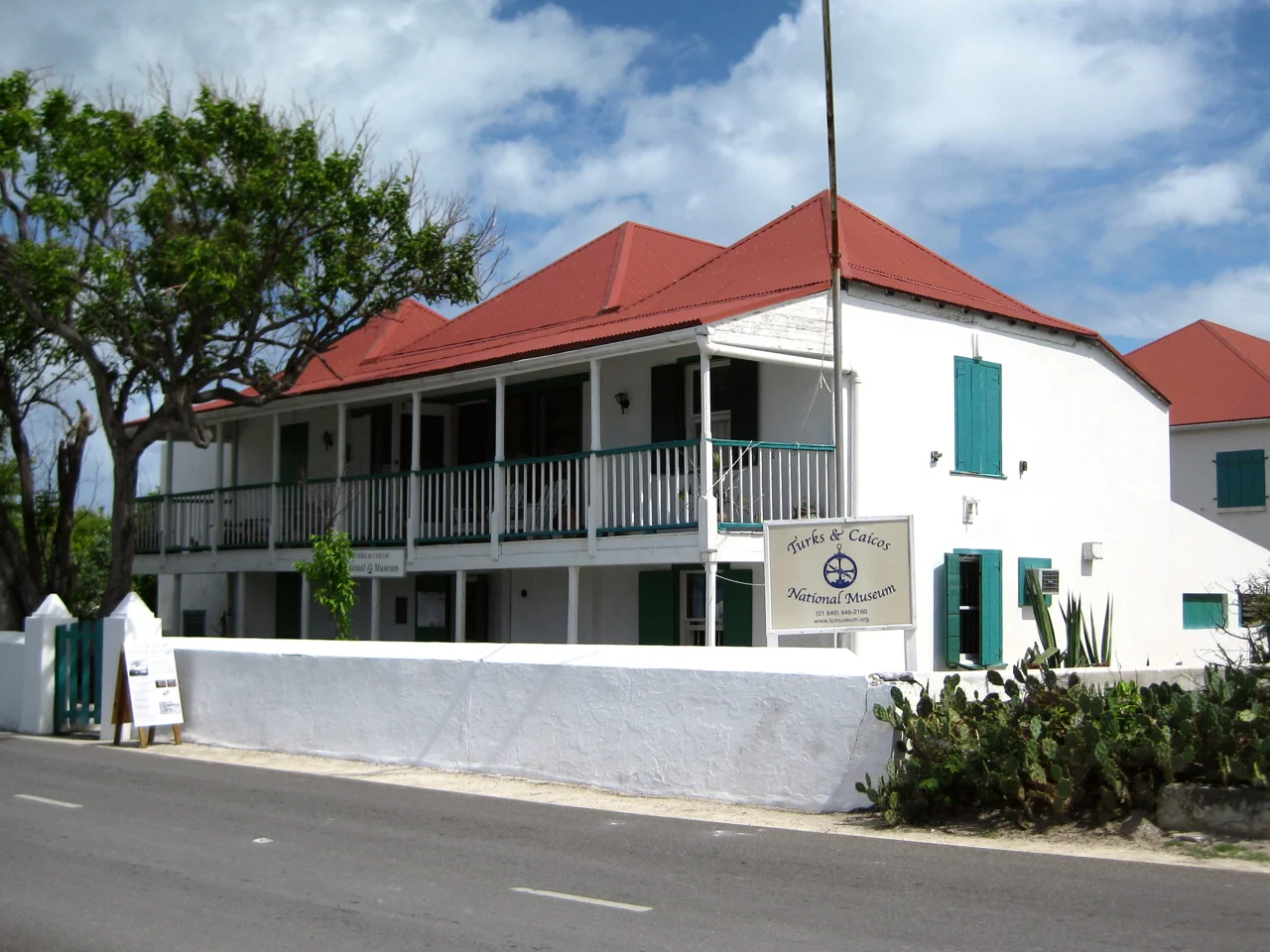
Make one regular connection outside work: a school activity, a local organisation or a shared interest. For an introduction to the islands' history, the National Museum's own location page identifies Guinep House on Grand Turk's Front Street and the Caicos Heritage House at the Village at Grace Bay on Providenciales. Opening arrangements vary by location; use the museum's current schedule when planning a visit.
Set up a household plan using DDME's hurricane-preparedness guidance. Identify where you would shelter, agree how adults and children reconnect if separated, keep essential supplies and medicines accessible and register for official alerts. Discuss shutters and outside furniture with the landlord while there is time to assign responsibility.
Finally, compare actual spending with your departure budget. Separate a high first bill caused by a deposit from ongoing consumption. If an account, registration or permission remains unresolved, write the reference and next action beside it so the task does not disappear into a folder of receipts.
Sources & further reading
Reviewed 16 October 2026. Sources are linked beside the relevant instructions. Nationality, household category and intended activity determine the application. Older government pages and unavailable direct links are identified in the guide; obtain current forms and quotations from the responsible authority where required. School figures are the published 2026–2027 USD schedule. The Atrium rental price is an advertised starting figure viewed 16 October 2026; the provider reports no current availability. Deposit arithmetic is explicitly hypothetical. Photograph credits, licences and capture years appear with the images.
Browse the source directory
- island overview
- Border Force's passport rules
- homeowner-permit guidance
- immigration FAQ
- published work-permit checklist
- Revenue Department
- 2 October 2026 contractor-licensing notice
- the Atrium's own long-term enquiry page
- 2026–2027 school fees
- International School Turks and Caicos admissions
- British West Indies Collegiate's curriculum
- enrolment requirements linked by NHIP
- customs contacts and import services
- Agriculture's pet-import process
- NIB registration guidance
- NHIP enrolment application
- Scotiabank TCI's account-opening checklist
- online opening process
- LG Properties' own FAQ
- TCI Hospital
- NHIP's employer billing guidance
- domestic service application
- Flow's Turks and Caicos services
- DMV service checklist
- official transport directory
- National Museum's own location page
- DDME's hurricane-preparedness guidance
Make your next step a practical one
Shortlist a city, confirm your residence route and build a budget before committing to a move.