Visa
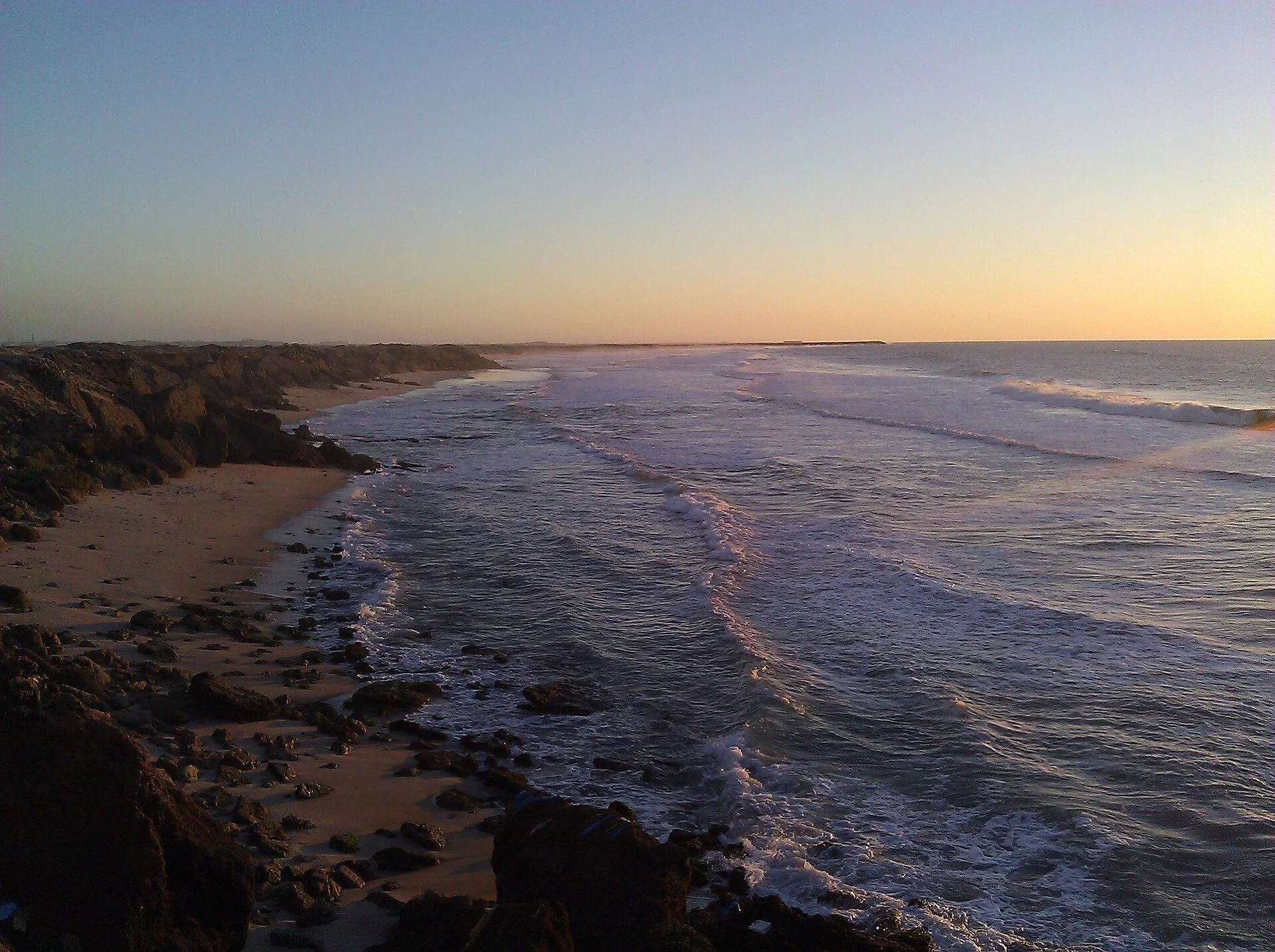
Moving & Living - Western Sahara - Complete Guide
Plan a move to Laayoune or Dakhla: understand entry and residence, arrange work or study, prepare a household budget, and set up housing, banking, healthcare and everyday services.
Life in Laayoune or Dakhla is shaped by the everyday distances between home, work, school and the Atlantic coast. A city apartment, a port-area job and accommodation beside Dakhla’s lagoon each create a different routine.
This fourteen-step guide helps you connect the move’s practical tasks, from entry permission and a foreigner’s card to a lease, banking and healthcare. It covers the Moroccan-administered cities of Laayoune and Dakhla within a disputed territory; service descriptions do not resolve sovereignty or describe an ordinary settlement route for every area.
Western Sahara at a glance
- Status
- Disputed territory · UN Non-Self-Governing Territory
- Scope
- Moroccan-administered Laayoune and Dakhla
- Money
- Moroccan dirham · MAD
- Languages
- Confirm Arabic and French service needs with each office
- Residence
- Entry permission, foreigner’s card and work authorisation are distinct
- Security
- Current Berm restrictions include Es Semara
- Ambulance
- 150
- Reviewed
- 16 October 2026
Follow your moving journey
Start at step 1, or jump to the task you are working on.
01Choose a workable base in Laayoune or Dakhla
Start with the place you need to reach on an ordinary Tuesday. Laayoune, also written El Aaiún or Laâyoune, is a different proposition from Dakhla: the first gives you an urban base near administrative offices and the El Marsa port area; the second puts the city and its peninsula between your home, work and lagoon activities. A photograph of a lagoon camp tells you little about a school commute.
Western Sahara is disputed and remains a UN Non-Self-Governing Territory. This journey concerns the Moroccan-administered cities of Laayoune and Dakhla. References to Moroccan agencies describe the administration providing those services; they do not settle sovereignty or extend those procedures to every part of the territory. Read the current territory-specific security advice before choosing a location.
| Starting point | Practical reason to investigate | Visit before committing |
|---|---|---|
| Central Laayoune | Administrative appointments and the Paul Pascon school | The actual school campus, work address and evening shopping route |
| Laayoune–El Marsa corridor | A job connected with the port area | Employer transport, shift times and the return journey after dark |
| Dakhla city | City-based employment, ENCG studies or regular appointments | Clinic access, groceries and the precise campus or workplace entrance |
| Accommodation outside Dakhla city | A specific employer or lagoon-related activity | Transport, drinking water, internet, deliveries and whether the address supports your residence file |
- Obtain a written workplace or school address, rather than relying on a district name.
- Book temporary accommodation with an identifiable host and clear cancellation terms.
- Test two potential home-to-work journeys and visit a pharmacy and grocery shop along each route.
- Keep Es Semara out of this relocation shortlist: the reviewed advice explicitly includes it in its no-travel area.
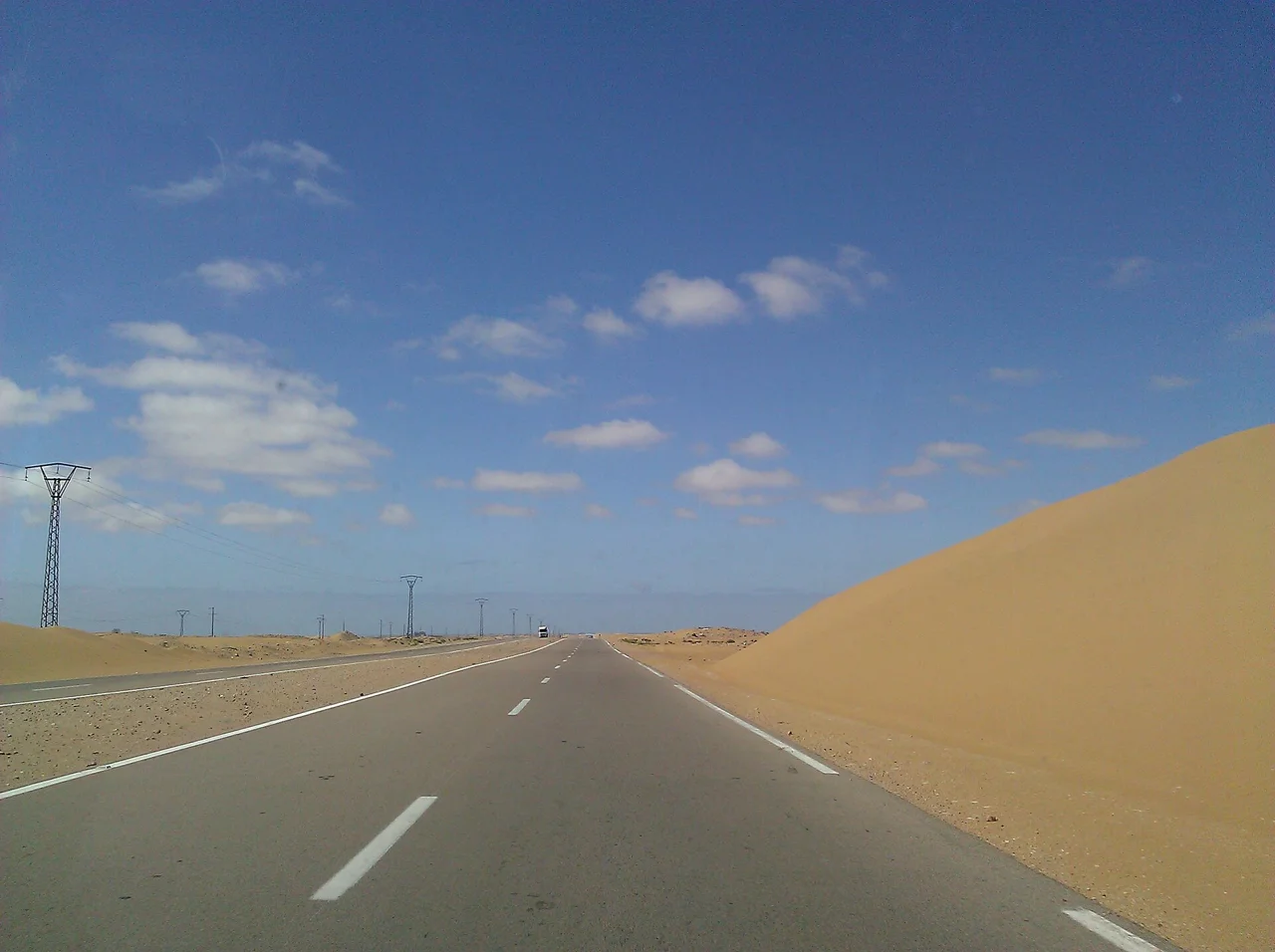
02Establish your entry and residence route
Visitor entry, permission to live locally and permission to work are separate decisions. The British guidance allows qualifying British citizen visitors up to 90 days in the Moroccan-administered area, including time elsewhere in Morocco. That is a passport-specific visitor rule, not a 90-day entitlement for every nationality or permission to start employment. Independent travellers can also be refused entry; keep your purpose and accommodation evidence accessible. Read the entry advice and its passport scope.
- Use Accès Maroc to examine the entry service applicable to your nationality, passport, residence country and purpose. Where the online route does not cover your case, obtain instructions from the responsible Moroccan consulate before travelling.
- Describe the real move: employed work, studies, family circumstances or living from independent resources. Ask which entry visa and subsequent residence category fit that purpose and whether the first application must be made abroad.
- Read the distinction in Law 02-03 between a carte d’immatriculation, usually the relevant initial foreigner’s card, and a carte de résidence. The latter is not an automatic first-arrival card.
- Ask the police foreigners’ service or competent gendarmerie office for the checklist used for your intended local address, appointment arrangements, fee and filing deadline. Save the response with your passport-specific entry instructions.
The law provides different card mentions for students, visitors with their own resources and authorised professional activity. It also allows conditions concerning a visa longer than three months. An invitation, company registration or school acceptance should therefore be treated as supporting evidence, not as a substitute for the immigration decision. Build your departure date around the permission actually granted.
03Put the employment or business permissions in writing
For employed work under the Moroccan-administered system, the employer has a central role in obtaining authorisation for the foreign worker’s contract. The Spanish labour counsellor’s official explanation of the procedure describes the TAECHIR process and, where applicable, the ANAPEC certificate concerning recruitment from the local labour market. Exceptions depend on the worker’s circumstances; do not assume that every foreign hire is exempt.
- Give the employer an accurate CV, passport details and relevant qualifications. Ask for a signed description of role, workplace, salary, working hours, accommodation deductions and probation.
- Have the employer identify whether ANAPEC certification is required and prepare the appropriate application through TAECHIR. Agree who will supply certified copies and attend the submission appointment.
- Request evidence of the work authorisation and understand how it supports your residence-card category before beginning the job.
- For a business, approach the Laayoune regional investment centre with your activity, ownership, premises and staffing proposal. Ask which registrations, sector licences and immigration permissions must be completed, and which office handles a Dakhla project.
Remote employment for an overseas company does not create a special Western Sahara residence route. Describe the work to the immigration office and your tax adviser, including where you physically perform it and who pays you. A visitor-labelled card includes an undertaking concerning professional activity requiring authorisation; do not treat it as advance approval for an online business. Before renting commercial premises, obtain the licensing sequence and budget in writing.
04Build a moving budget and assess tax residence
Budget in Moroccan dirhams, MAD. Separate cash needed to land and sign a lease from the bills that recur after settling. There is no verified territory-wide monthly total in this guide: a furnished Dakhla holiday property, a city apartment and employer-provided accommodation are different purchases.
| Item | Initial cash | Recurring commitment |
|---|---|---|
| Housing | Temporary stay, first rent, agreed security and any disclosed agency fee | Rent, building charges and maintenance assigned to you |
| Move and documents | Freight, translations, certification, entry and card charges confirmed for your file | Renewals and document replacement |
| Health and education | Insurance start, assessment or registration charges quoted by the provider | Premiums, treatment contributions, tuition, transport and meals |
| Everyday services | Connection or equipment charges and transport to appointments | Power, water, mobile data, internet, groceries and commuting |
Illustrative calculation: if your chosen rent were MAD 4,000 and the negotiated security were two months, the first rent plus security would require MAD 12,000. Three further rents would raise housing cash to MAD 24,000. These are hypothetical inputs, not observed market prices or a legal deposit limit. Add the other quoted items rather than calling this a complete moving budget.
The 2026 General Tax Code, Article 23 uses permanent home, centre of economic interests or more than 183 days in a 365-day period as fiscal-domicile tests. The day count is not the only test. Moroccan fiscal domicile can bring worldwide income into scope, subject to applicable treaty provisions. Give an adviser your arrival calendar, employment, foreign accounts, property, pensions and household arrangements. Ask specifically how the rules are applied to your address and income; do not assume that regional investment incentives make an individual’s salary or pension tax-free.
05Arrange a school assessment or university admission
Choose the school before fixing the commute. In Laayoune, Paul Pascon provides a concrete starting point for families considering French-language education. Its current admissions page is headed 2026–2027 even though the page’s URL contains an older year. Use the heading and the school’s reply to establish the intake, rather than assuming an old URL means the current process is closed.
- Contact the school with your child’s date of birth, current class, languages, previous school reports and intended arrival date.
- Follow the pre-registration link on the school’s admissions page. The school says the child must attend the competency assessment.
- Prepare the complete family record book, parents’ identity cards or passports, the child’s identity document or birth certificate, one identity photograph and proof of a Laayoune address, such as a utility bill or lease.
- Obtain the proposed class, assessment date, current tuition and additional costs in writing before paying or signing a distant lease. The separate fee page reviewed was labelled 2025–2026; it does not establish the new year’s price.
For higher education, ENCG Dakhla, part of Ibn Zohr University, is a named business and management starting point. Ask the institution about the admission channel for your nationality and qualification, equivalence, teaching language, originals, insurance and residence documentation. Its published September 2026 registration and waiting-list dates have already passed at this review. They are not an invitation to apply late or evidence of an available place. Public-school placement, another curriculum or a mid-year transfer needs a separate answer from the relevant school and education service.
06Test an independent-income move before committing
There is no dedicated Western Sahara retirement visa established by the sources reviewed here. The useful legal starting point is the visiteur mention in Article 13 of Law 02-03: an applicant demonstrates independent resources and undertakes not to exercise professional activity requiring authorisation. Ask the competent office whether this category fits your circumstances, what financial evidence it accepts and what entry permission must precede the card application.
- Prepare pension award letters or other reliable income evidence, recent statements and a clear account of dependants and accommodation costs.
- Ask your pension payer about overseas payment, proof-of-life procedures and any consequences of changing residence.
- Obtain a health-insurance quotation covering the actual place of residence, existing conditions and medically necessary transfer. Compare that with your likely routine treatment needs.
- Have the tax adviser assess pension and investment income under the applicable domestic rules and treaty, rather than treating a pension paid abroad as automatically outside taxation.
Spend the initial temporary stay testing ordinary services: prescription supply, access to appointments, reliable transport and the cost of visiting family. A pleasant short holiday does not establish that a particular home or insurance policy supports year-round living. Keep enough accessible funds for a change of plan while the residence decision remains outstanding.
07Prepare documents, freight and any pet movement
Create one folder for entry, one for residence and one for household services. Keep originals accessible in hand luggage and encrypted copies separately. Include passports, relevant civil-status records, work or admission evidence, financial records, accommodation details and medical summaries. Obtain the receiving office’s requirements for translation, certification and document age before paying to prepare copies.
- List every household member and the separate permission or supporting relationship evidence needed for each. Do not assume one adult’s card covers the whole household.
- Get a freight quotation naming the destination, clearance agent, inventory format, storage charges and responsibility for customs paperwork.
- Ask Moroccan Customs about your exact goods, residence situation and entry route before shipping. Furniture relief, vehicle admission and commercial equipment are separate questions; this research did not establish a universal duty-free moving allowance.
- If moving a dog or cat, choose the origin-country certificate through ONSSA’s official import guidance. Its page lists different models and revision dates, including a Netherlands model dated June 2026 and a UK model dated August 2025.
- Give that model to the official veterinary service in the departure country and confirm the intended arrival point and carrier’s conditions. Complete the required veterinary sequence before reserving non-refundable animal transport.
Use the certificate that matches the actual origin and movement. A pet’s previous journey or an airline’s acceptance does not establish veterinary admission. For expensive or difficult-to-replace medicines, arrange a prescription summary and ask the responsible authority and airline about import and carriage requirements before packing them.
08Land with a clear address and a short first-week plan
Keep the passport, permission, host’s contact details and accommodation address together. The entry guidance emphasises the importance of an entry stamp. Inspect it before leaving the control point and resolve an omission with officials immediately; a missing record can complicate later departure and registration.
- Use the airport or carrier’s current information to arrange arrival transport. ONDA’s Dakhla airport information is a starting point for airport contacts; this guide does not establish a particular flight’s operation or fare.
- Confirm the host can provide the accommodation evidence your local card office accepts. Retain the booking, receipt and contact details.
- Obtain a working local connection, keep a second payment method and record the route back to your accommodation offline.
- Locate the appropriate foreigners’ service and arrange the card-file appointment promptly, working back from your actual entry permission’s expiry.
For road travel, retain identification and a straightforward explanation of your destination. Follow current controls and permitted routes. The reviewed advice warns of mines and conflict around the Berm; a satnav shortcut is not evidence that a route is safe or authorised. Keep that restriction separate from the ordinary task of travelling between your city accommodation, work and appointments.
09Complete the foreigner’s card and address file
Take the checklist obtained for your address to the competent police or gendarmerie service. The national law supplies the framework, but the current local documentary list, charge and appointment lead time for Laayoune or Dakhla were not independently verified. Confirm those specific items with the receiving office; do not substitute a Moroccan citizen’s CNIE application or consular-registration procedure.
- Present the passport and lawful-entry evidence, the documents supporting the requested card category and the address evidence the office has specified.
- Have the officer identify missing documents and the method for correcting the file. Keep copies of what you submit and retain official payment receipts.
- Ask for the application receipt and what it authorises while the card is being processed. Law 02-03 provides for a provisional receipt, but travel or re-entry should be confirmed separately for your document.
- Record the card’s actual expiry, collection instructions, renewal window and how to report a change of address. A one-to-ten-year range in legislation is not a promise of a particular first-card duration.
- Have your employer or adviser establish the tax and social-insurance registrations relevant to your work. Immigration registration does not complete those systems automatically.
Check names, passport numbers and dates before leaving with any issued document. If the lease or household circumstances change while the application is pending, ask how to update the file rather than allowing conflicting addresses to accumulate across the bank, employer and immigration records.
10Open the right account and preserve funding records
Ask the bank about account status before transferring your savings. BMCI’s convertible-dirham account is explicitly offered to foreign individuals resident or non-resident, as well as Moroccans living abroad. That product description does not guarantee approval or mean every type of deposit and outward transfer has the same treatment.
- Arrange a branch appointment and describe your nationality, residence status, salary or pension source and expected international transfers.
- Ask for the exact identification, address, tax-residence and source-of-funds documents required for your file. Take the originals and the copies requested.
- Compare the account’s funding rules, international transfer conditions, card costs, cash-withdrawal charges and online access before signing.
- Keep foreign-exchange and incoming-transfer records. Ask what evidence would be needed to transfer money out again, including proceeds from a later sale or account closure.
- Test a small transfer, ATM withdrawal and card purchase before relying on the account for rent or salary.
A concrete price observed on BMCI’s site on 16 October 2026 was MAD 27.50 including tax for its advertised instant interbank transfer service. Confirm the service, eligible receiving bank and tariff for your account; this is not the cost of every transfer or the account’s monthly fee. Keep some cash available for small purchases and appointments while maintaining receipts for larger payments.
11Inspect the home and agree every rental payment
Use the temporary stay to inspect homes in person. Ask whether an advertised Dakhla property is offered as a holiday let or a residential tenancy and whether its paperwork supports your intended card application. In Laayoune, compare the actual commute from the property with the school, office or port-area journey established earlier.
- Verify the person offering the property has authority to let it. Match their identity and the dwelling’s address to the proposed contract.
- Read the bail, or lease, with someone who understands its language. Record the rent, payment date, term, renewal, notice, security, agency charge and responsibility for repairs and utilities.
- Ask how the deposit is held and returned, what deductions can be made and how a dispute or early departure is handled. Obtain advice on local formalities if the contract or ownership position is unclear.
- Inspect water pressure, drainage, locks, ventilation, electrical fittings and mobile reception. Photograph existing damage, furniture and meter readings in an agreed état des lieux, or condition inventory.
- Pay through a documented method, obtain a receipt and keep signed copies of the lease and inventory. Confirm which evidence the residence office and service providers will accept.
No statutory deposit ceiling or universal agency commission was verified for this guide. Negotiate the actual figures before transferring money and distinguish refundable security from prepaid rent. A modest rent can still create a difficult move if the home lacks usable water, reliable connectivity or an acceptable address record.
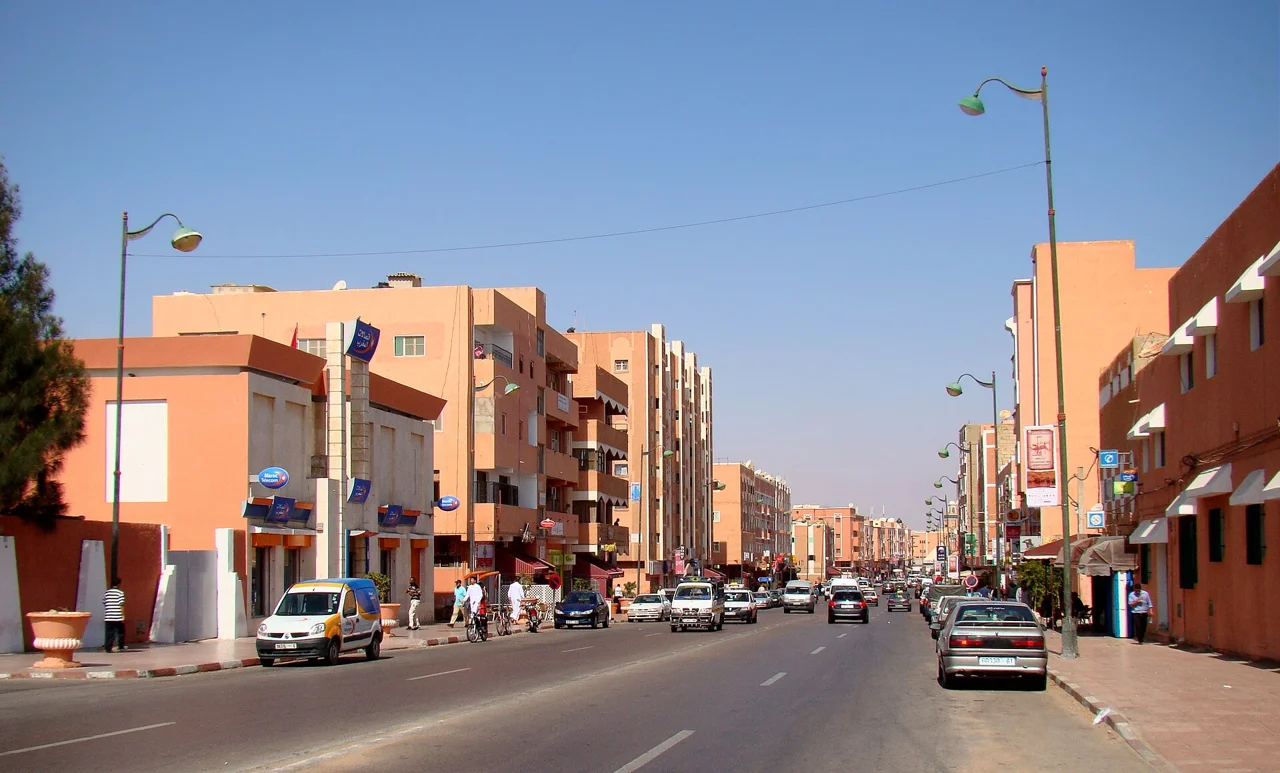
12Arrange healthcare before you need urgent treatment
Bring a concise medical summary, prescription details and the insurer’s assistance number. The territory-specific health guidance identifies city facilities but warns that complex cases may require transfer to a larger centre elsewhere or the Canary Islands. Choose cover for your actual residence and activities, including any necessary medical evacuation, rather than relying on a visitor policy whose maximum trip length you will exceed.
- Ask the employer whether and when you and eligible dependants will be enrolled with CNSS and what evidence confirms active cover.
- Use the regulator’s AMO explanation to understand basic medical insurance and reimbursement. A residence card alone does not establish insured status or eliminate treatment charges.
- Contact a suitable local provider about your condition, appointment arrangements, fees and whether payment is required before reimbursement. For Dakhla, the Clinique Internationale de Dakhla contact page gives its N1 address and telephone 05 28 93 90 90.
- Confirm the actual specialist, medicine or diagnostic service required for your case. An advertised department is not a guarantee that a particular treatment is available on the day.
The reviewed emergency ambulance number is 150. Give the dispatcher your precise location and a callback number. Save the insurer’s transfer-authorisation instructions and identify who can assist household members if one person must leave the city for treatment. For regular medicines, establish a local prescription and supply plan during the first week rather than waiting until the travel supply runs out.
13Connect the home and test daily transport
Bring the latest utility bills and meter photographs to the handover. For the Laayoune–Sakia El Hamra service area, SRM’s published digital-agency address is srm-ls.ma/ael. Confirm your property’s supplier, contract holder, opening balance and transfer procedure with the provider. The reviewed site did not yield a verifiable current subscription checklist or fee, so those details must come from the receiving agency.
- Ask the landlord which water and electricity accounts serve the property and who must attend or authorise a change. In Dakhla, identify the supplier from the actual bill rather than assuming the Laayoune regional company applies.
- Record opening readings, obtain the new account or contract reference and agree how any previous occupier’s balance will be resolved.
- Visit a mobile shop with your passport and current local documents. Ask which identification is accepted, test coverage at home and work and compare prepaid with a recurring contract. inwi’s line-identification service is a useful account-management starting point.
- Get a written address-specific internet offer showing installation, equipment, data limits, minimum term and cancellation conditions. National advertising does not establish coverage at a particular lagoon property.
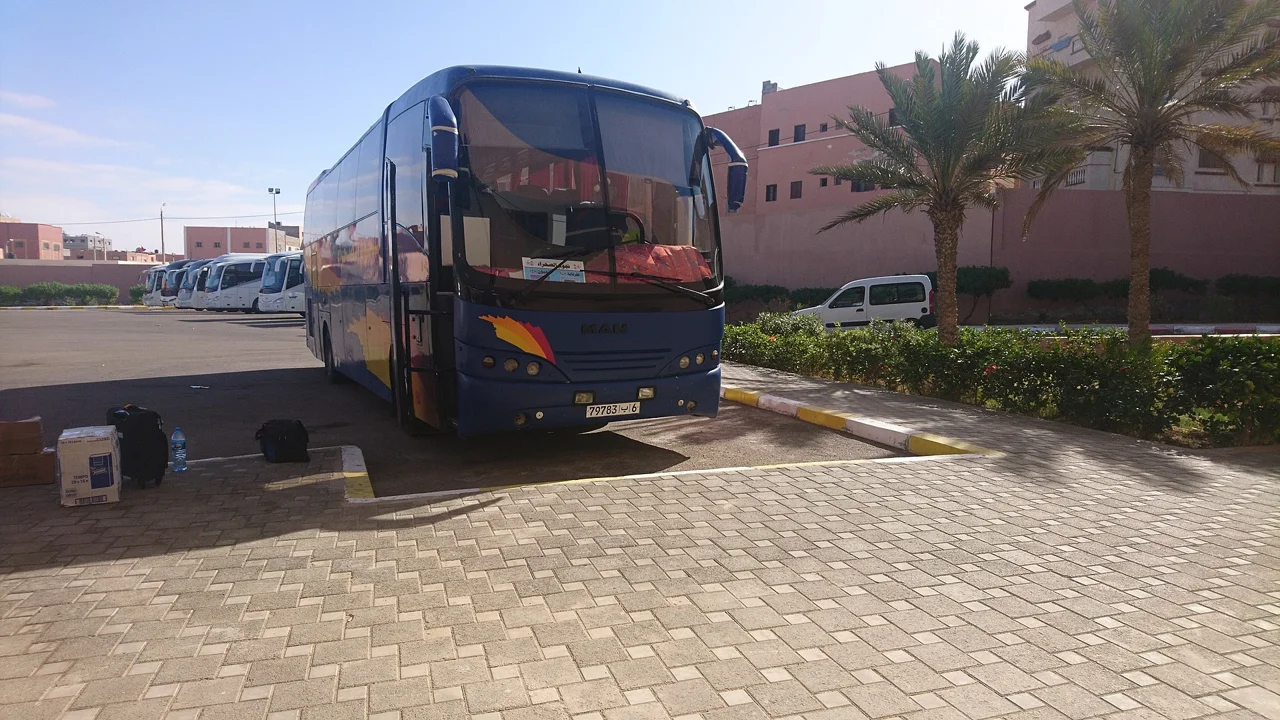
- For longer-distance journeys, query the actual date with Supratours. Its coach network should not be mistaken for a rail station in Laayoune or Dakhla. Confirm the boarding point, baggage terms and onward connection before paying.
Test the daily commute at the time you will use it, including the evening return. If buying or importing a vehicle, resolve customs, registration, driving entitlement and insurance for your circumstances before committing funds; a visitor’s temporary vehicle admission is not an ordinary settlement registration.
14Turn the first month into a stable routine
Use the first month to replace assumptions with confirmed arrangements. Learn the names and opening hours of the people you will actually deal with: school administration, employer payroll, the local card office, bank branch, utility agency and healthcare provider. Ask which language each office uses and arrange help with documents where necessary.
- First week: preserve entry evidence, confirm the immigration appointment, activate communications, locate routine care and test the workplace or school journey.
- After the lease: align the address records, document meter readings, keep deposit receipts and submit the residence documents requested for that address.
- Before the first pay or pension transfer: confirm account details, payroll deductions, tax treatment and insurance activation.
- Before the month ends: check the application’s progress, missing documents, household permissions, service bills and the next renewal or appointment dates.
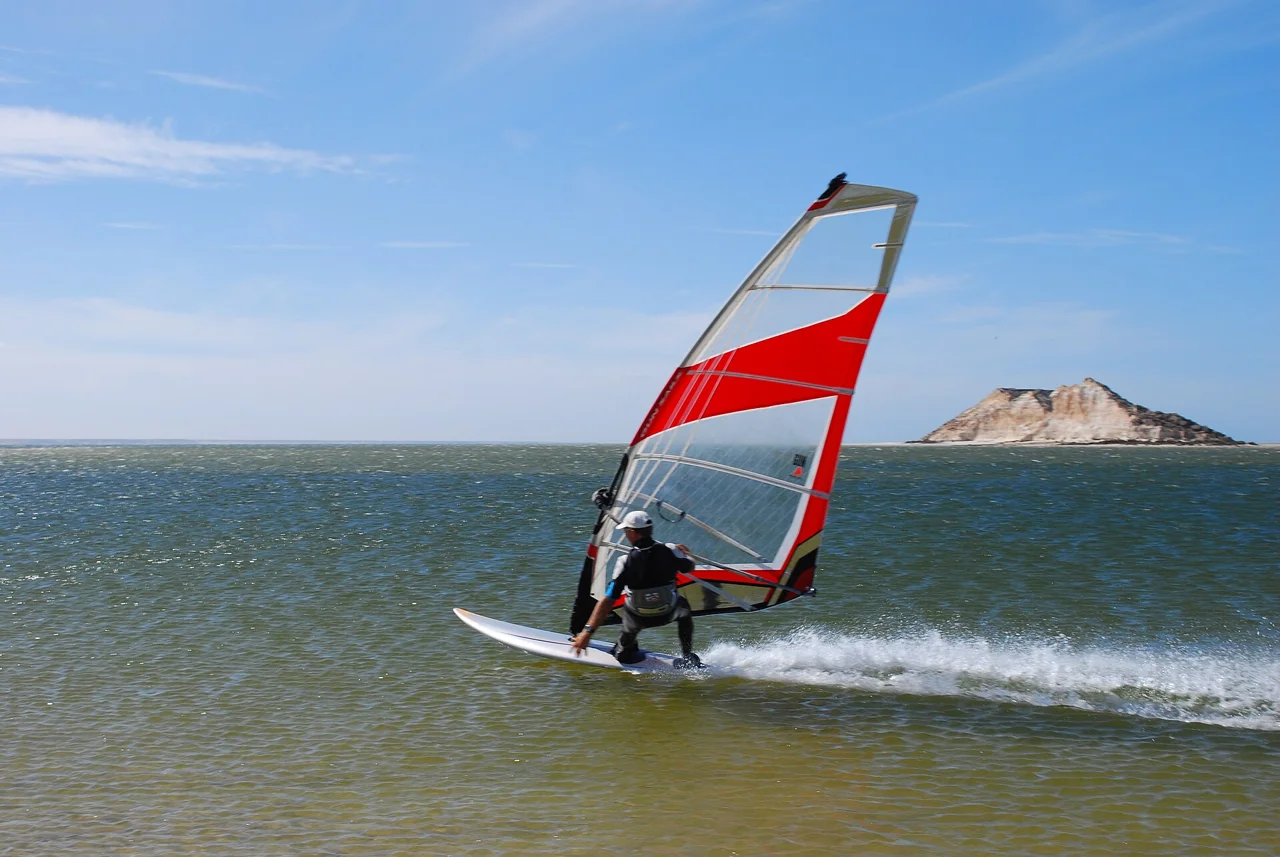
Build community through the setting you have chosen: parents at school, colleagues, neighbours and activities you can attend regularly. Around Dakhla, lagoon sports can be part of that routine, but use a suitable operator, understand the conditions and confirm that your insurance covers the activity. The photograph below is historical and does not establish current operator services.
Keep current regional restrictions in your travel planning. The security advice reviewed on 16 October 2026 advises against all travel within 40 km north and west of the Berm, including Es Semara, and throughout the area south and east of it. That boundary is not a suggested sightseeing route. A successful move here depends on a lawful, practical city-based plan, with work, education, healthcare and housing decisions supported by the actual offices handling your case.
Sources & further reading
Reviewed 16 October 2026. Sources are linked beside the relevant instructions. Reviewed 16 October 2026. Administrative descriptions concern Moroccan-administered Laayoune and Dakhla and do not settle the sovereignty dispute. Full relevant primary sources, current indexed primary bodies and blocked service links are distinguished in the research record. British visitor rules retain their passport scope. The national residence law was read directly, but current local card checklists, charges and filing lead times were not independently established. The 2026 tax code was downloaded and Article 23 rendered and inspected. School admissions headings are distinguished from older URLs and previous-year fee pages. September university dates are already past. Customs, utility and transport service links remain responsible starting points where current transaction details could not be read; no form submission, fee or timetable is falsely claimed tested. Prices reviewed 16 October 2026, in Moroccan dirhams. BMCI displayed MAD 27.50 including tax for its advertised instant interbank transfer service, subject to the relevant service, receiving bank and account tariff; this is not a monthly account fee. A hypothetical MAD 4,000 rent with two months of negotiated security needs MAD 12,000 at signing, or MAD 24,000 including three further rents. Those figures are an illustration, not a market rent or statutory deposit rule. Recurring housing, utilities, insurance, tuition, food and transport should be entered from address-specific current quotations. No territory-wide monthly total or previous-year school fee is presented as current. Photograph credits, licences and capture years appear with the images.
Browse the source directory
- FCDO — Western Sahara travel advice
- FCDO — entry requirements and passport scope
- Accès Maroc — official entry application service
- SGG — Law 02-03 on entry and residence
- Spanish Labour Ministry counsellor — employed work in Morocco
- TAECHIR — foreign employment contract service
- Laayoune regional investment centre — business procedures
- DGI — General Tax Code 2026, Article 23
- Paul Pascon — school information
- Paul Pascon — 2026–2027 admissions
- ENCG Dakhla — Ibn Zohr University admissions notices
- Moroccan Customs — personal imports
- ONSSA — dog and cat import certificates
- ONDA — Dakhla airport contacts
- BMCI — convertible-dirham accounts and transfer service
- FCDO — healthcare and emergency assistance
- ACAPS — basic medical insurance
- Clinique Internationale de Dakhla — contacts
- SRM Laayoune–Sakia El Hamra — digital agency
- inwi — mobile line identification
- Supratours — current journey search
- FCDO — regional conflict and mine restrictions
Make your next step a practical one
Choose a workable city address, establish your actual residence and work basis, and connect those decisions to school, banking, healthcare and the household’s first-month appointments.