Visa
Moving & Living - Micronesia, Federated States of - Complete Guide
Plan a move to the Federated States of Micronesia: understand Compact rights and permits, choose among four states, and arrange work, schools, housing, banking, healthcare and island transport.
Photo credit
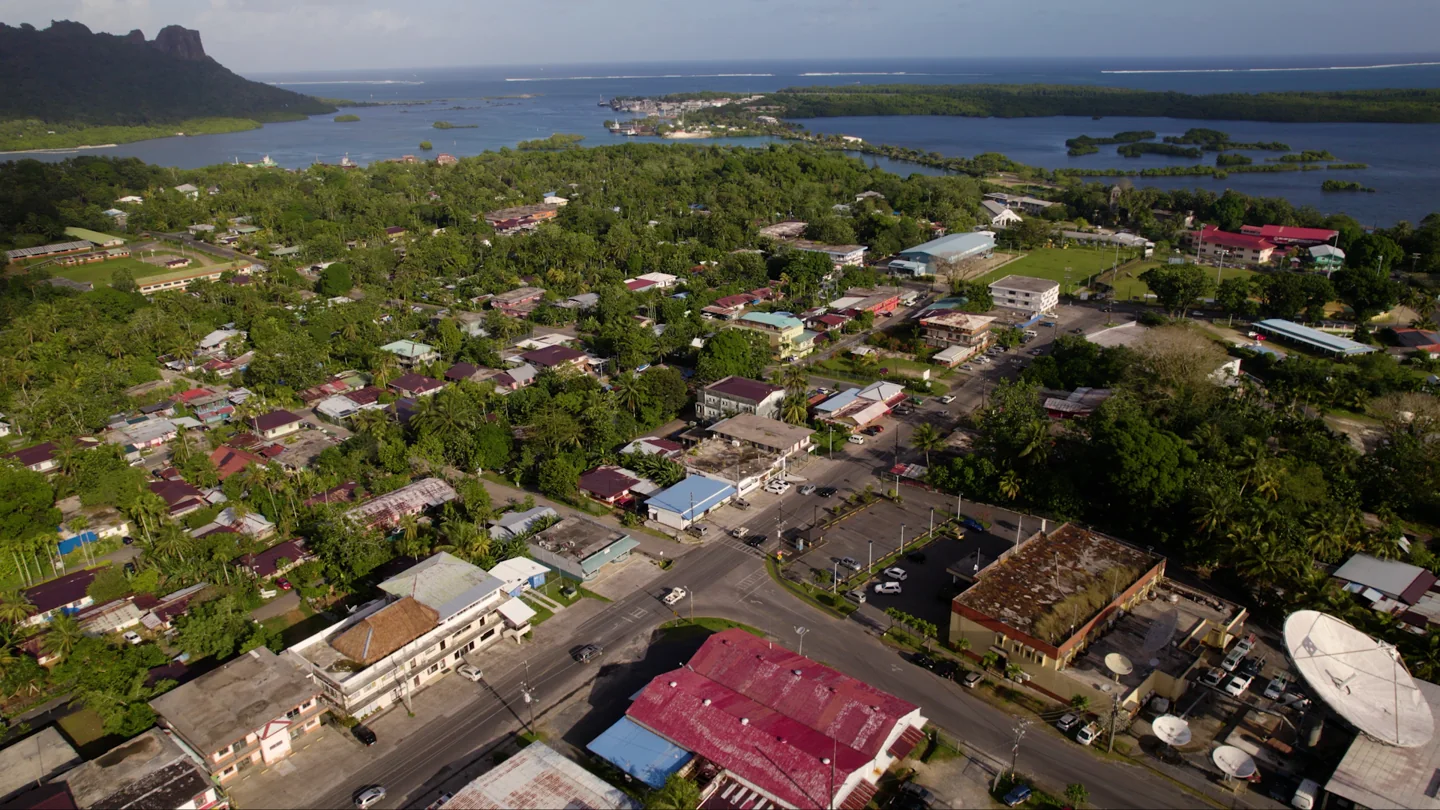
A home near Kolonia’s shops, a job in Palikir, or a household on Yap involves different daily journeys. The Federated States of Micronesia is four states spread across the Pacific: Pohnpei, Chuuk, Yap and Kosrae. Choosing the state, employer and service connections comes before choosing a house.
This fourteen-step guide follows the move from immigration status to the first month at home. It distinguishes U.S. citizens’ Compact rights from other nationalities’ permits, and treats school places, healthcare and inter-island travel as practical arrangements to settle before departure.
Micronesia, Federated States of at a glance
- Capital
- Palikir, Pohnpei
- States
- Pohnpei · Chuuk · Yap · Kosrae
- Currency
- U.S. dollar · USD
- Immigration service
- FSM Department of Justice
- Local payroll identifier
- FSM Social Security number
- Banking regulator
- FSM Banking Board
- Mobile provider
- FSM Telecommunications Corporation
- Reviewed
- 15 October 2026
Follow your moving journey
Start at step 1, or jump to the task you are working on.
01Choose a state and test the daily journey
Start with the island where your work or study will actually take place. Palikir is the national capital on Pohnpei; Kolonia is the nearby commercial town. A posting on Yap, Chuuk or Kosrae cannot be treated as a commute from Pohnpei. Even a short-looking route on a Pacific map can involve a flight and an overnight connection.
| Starting point | What to investigate first |
|---|---|
| Kolonia and nearby Nett, Pohnpei | Access to shops and services, the journey to the workplace, and the actual electricity, water and internet connection. |
| Palikir, Pohnpei | Whether an employer or college provides transport; compare the journey from town with accommodation nearer the campus or office. |
| Colonia, Yap | The workplace’s location and access to the main island’s services; distinguish Colonia on Yap from Kolonia on Pohnpei. |
| Weno, Chuuk | Whether the job and accommodation are both on Weno or require a boat journey across the lagoon. |
| Tofol and nearby communities, Kosrae | Distances between home, school, medical care and shopping; arrange a workable vehicle or lift. |
- Ask the employer or school for a location pin, working hours and realistic transport arrangements.
- Book temporary accommodation on that island, then visit prospective homes during both a working day and wet weather.
- Test the mobile signal inside the house and ask who supplies its water, power and waste collection.
Use the national tourism service directory for local transport contacts rather than assuming a metropolitan bus network. Choose a smaller shortlist that your household can actually service and travel between.
02Establish the right to reside before booking the move
U.S. citizenship changes the process. Under the Compact arrangements implemented by FSM, U.S. citizens can reside, work and do business without additional immigration documents or registration of their presence. This concerns citizenship, not simply holding a U.S. residence card. Business licensing and taxes still need attention. Read the FSM Government’s explanation of these rights.
For an ordinary short visit, other nationalities generally receive 30 days, with an extension to a total of 90 days. That is a visitor arrangement, not employment authorization or an indefinite relocation route. The U.S. State Department’s FSM entry guidance is a useful initial cross-check. Marshallese and Palauan citizens have a separate exception allowing short visits of up to 365 days under the adopted regulations.
- Write down each person’s citizenship, purpose, intended duration and proposed activity.
- Identify the appropriate category: government employment, private employment, study, qualifying investment, or an applicable family permit. The FSM Embassy in Japan’s immigration service guidance explains these categories.
- Ask the FSM immigration service through its embassy directory where your particular application must be lodged and how the approval will be returned before travel.
Do not buy a purported electronic visa from an unverified search result. The official sources here provide the responsible authority and genuine forms. A spouse with a different passport needs their own assessment; one person’s Compact rights do not establish everyone else’s status.
03Settle the employment contract or business approval
A job offer should explain who is handling immigration and labour authorization, where you will work, and which relocation expenses are covered. Ask for the salary in USD, pay frequency, medical cover, accommodation terms, annual leave and return-travel arrangements in writing. An employer-provided home is a substantial part of the package, but it also means understanding what happens to your accommodation when employment ends.
- For private-sector employment requiring permission, have the employer establish the correct labour and immigration application. The ordinary entry-permit form expressly excludes private-sector employment; completing it alone does not resolve that process.
- For an investment, describe the actual activity and state where it will operate. The published investment framework divides responsibilities between national and state authorities; it is a framework description, not an approval for your business.
- Use Resources and Development’s official investment and expatriate-worker forms and establish the competent authority before hiring staff or signing a commercial lease.
There is no dedicated digital-nomad category in the official permit materials reviewed for this guide. Someone planning remote work should describe the foreign employer, duties and working location to Immigration and Customs and Tax Administration and obtain the applicable position before starting. A visitor admission is not a substitute for that answer. U.S. citizens’ Compact work rights remain distinct from the tax and licensing treatment of a particular activity.
04Build an island-specific budget and arrange payroll tax
Keep recurring household spending separate from the cash needed to arrive. A low quoted rent tells you little if the property needs a vehicle, a new connection or expensive deliveries.
| Initial costs to price | Recurring costs to price |
|---|---|
| Flights, connecting accommodation and baggage | Rent and any employer accommodation deduction |
| Freight, clearance, delivery and storage | Electricity, water, cooking fuel and internet |
| Rental deposit and advance rent | Groceries and household supplies on your island |
| Documents, permits and medical examination | Payroll tax, social security and insurance |
| Vehicle or school setup, insurance commencement | Transport, school charges and travel off-island |
Illustration, not a rental estimate: if a particular landlord quotes USD 800 monthly, one month’s deposit and the first month in advance would require USD 1,600 before utilities and moving costs. Replace those assumptions with your actual lease; no national monthly living-cost figure is implied.
The wage-tax law currently published by Finance sets 6% on the first USD 11,000 and 10% above it. Employees with annual wages below USD 5,000 can claim a USD 1,000 deduction through the refund procedure. These are wage-tax rules, not a complete statement of tax on a business or foreign investments. See Finance’s wage and salary tax legislation.
Ask payroll to confirm withholding and provide payslips. If a foreign employer has no local withholding arrangement, take the contract to Customs and Tax Administration and establish your filing responsibility. The law’s provisions on foreign employers mean that a foreign payroll does not automatically remove the employee’s local obligations. Keep home-country filing and pension questions on a separate checklist.
05Arrange a school place or college admission
For a child, identify the state education office and the school near your proposed home before paying a rental deposit. Start with the National Department of Education if you need the correct state contact. Ask the receiving school about year placement, language support, term dates, transport, uniform costs and the documents it needs from the previous school.
- Send the child’s age, current year and recent reports, and explain any learning or accessibility needs.
- Obtain the school’s own enrollment list before arranging originals, translations or medical paperwork.
- Confirm the place and start date directly. Then test the school journey; a house and a school in the same state may still be on different islands.
For higher education, the College of Micronesia–FSM is a practical starting point. Its admissions procedure includes the COMET placement test, an application and official school transcripts. The published standard includes a 2.0 high-school GPA on a 4.0 scale, with a separate special-consideration process. Ask Admissions how an overseas qualification and test location will be handled. Acceptance by the college and immigration permission are separate decisions.
Request a current tuition-and-fee quotation and the relevant campus before budgeting for study. During this review, the 2026–27 catalog directory’s PDF download was unavailable, while another file labelled 2026–27 contained 2025–26 financial-aid text. This guide therefore does not present that file’s tuition as current. Confirm residence-hall availability separately and do not assume financial aid or inter-island travel assistance extends to every nationality.
06Establish a lawful retirement and care arrangement
A pension income and a desire to live on an island do not, by themselves, identify a residence category. The embassy’s published permit categories do not provide a dedicated retirement visa. U.S. citizens can plan under the Compact residence position described earlier; other retirees need an applicable legal basis assessed individually.
- Establish residence eligibility for both partners first. An annual visitor arrangement, where authorized, should not be described as permanent residence.
- Ask each pension provider how payments, address changes and proof-of-life requirements will work from FSM.
- Obtain a medical assessment covering ongoing prescriptions, likely specialist needs and the possibility of treatment outside the country.
- Seek an insurance quotation that explicitly covers residence on the chosen island, your age and pre-existing conditions.
If you previously worked in FSM, discuss your contribution history and nationality with the local Social Security Administration rather than assuming a U.S.-style pension calculation. For someone arriving on an overseas pension, build the budget around their actual payment and transfer costs, not an assumed local benefit.
Try the proposed living arrangement before shipping a household. Establish how you would get to appointments, obtain repeat medicines and manage an interruption to flights or local transport. These decisions can point toward accommodation nearer a service centre rather than a more remote property. Agree who can help locally if one partner needs to travel for treatment while the other remains at home.
07Prepare the permit file, shipment and pet approval
Use the official entry-permit checklist for the relevant non-private-employment category. It calls for a passport copy, passport photograph, police clearance issued within the preceding six months and a medical certificate; support or dependency evidence is required where applicable. Complete the personal, sponsor, household and proposed travel details consistently. Ask which documents need originals or certification before paying for those services.
- Keep a paper arrival folder and an encrypted copy of approvals, passports, civil records, employment or admission letters, insurance and accommodation contacts.
- Make a numbered packing list. Give the freight agent the destination island, arrival contact, goods description, values and transport documents.
- Use Finance’s customs entry forms and instructions to establish clearance requirements with the agent before dispatch. Ask separately about a vehicle, restricted items and new purchases; do not assume every household shipment is duty-free.
For a pet, start with FSM Quarantine Services and the live-animal import application. Obtain written, origin-specific import conditions before booking the animal’s journey, then ask your veterinarian to prepare the required certification. The public forms page does not establish one universal vaccination timetable, quarantine period or fee for every origin; those details must come from the issued conditions.
Book the carrier only after matching its animal-acceptance and transit arrangements to that approval. Keep permit and veterinary documents with the travelling person, and arrange inspection on arrival rather than sending the papers inside checked luggage.
08Arrive with the right documents and a local contact
Book the itinerary for the actual destination, not merely “Micronesia.” United’s Guam and Island Hopper route information identifies individual island services; consult the booking for your travel date and allow for connections. Separately establish any permission needed to enter or transit Guam or another country. FSM permission is not permission for those places.
The immigration regulations require a passport valid for at least 120 days beyond the authorized stay. Confirm the airline’s document check against the particular passport and itinerary before departure. Keep the entry approval, local address, sponsor’s contact and evidence of onward arrangements where required within reach.
- Complete the arrival and customs declarations accurately, including relevant food, plants and animal items.
- Present the permit or explain the applicable citizenship-based status at immigration. Check any dates recorded before leaving the counter.
- Meet the prearranged pickup and keep the accommodation’s telephone number accessible offline.
- Notify the employer or host of arrival, obtain essential supplies and keep enough cash for immediate purchases.
Take the first evening slowly: identify where drinking water and food will come from, confirm the next working day’s transport and charge the phone. Visit the employer or sponsor with the admission record before assuming the next administrative step has happened automatically. For shipments following later, send the agent the agreed contact details and arrival documents they actually require, without circulating your passport unnecessarily.
09Complete immigration follow-up and local payroll records
FSM’s immigration paperwork, local Social Security record and tax administration serve different purposes. A Social Security number does not grant residence or work permission. U.S. citizens’ immigration exemption does not remove the need to deal with an applicable local payroll process.
- Ask Immigration what follow-up applies to the permit issued. The regulations generally require renewal applications at least 30 days before expiry and annual in-person registration by 31 January for non-exempt residents meeting the 90-day test; special outer-island provisions apply. Record the dates that apply to your case.
- For a first local number, use the FSM Social Security Administration’s application forms, including the front and back, and ask the state office which identity evidence to bring. This is the FSM system, not an application to the U.S. SSA.
- Give payroll the correct identifier, address and account details once established. Ask who is handling tax and social-security remittances and retain the first payslip.
A new employer also has its own registration process. The SSA employer guidance calls for an employer identification application and supporting business information, including the business licence. Do not substitute an employee’s number for the company’s registration.
Keep the permit approval, tax correspondence and employment records in separate labelled folders. If the home address or employment situation changes, contact the relevant office with the actual change rather than assuming the landlord or employer has notified every agency. Ask for a receipt or acknowledged copy whenever you lodge an important document.
10Open a suitable account and retain a cash option
The FSM Banking Board is the local banking regulator. Bank of FSM and Bank of Guam are the institutions to investigate; avoid similarly named mainland U.S. or Philippine banks in search results. Select a branch on your island using the bank’s own directory, such as Bank of Guam’s branch finder.
- Ask the branch for its requirements for a foreign resident of your nationality and employment status before visiting.
- Offer the passport, immigration or Compact-status evidence, physical and mailing address, employer letter and tax information as relevant. Have the bank confirm its actual document list; this is a preparation folder, not a claim that every item is universally mandatory.
- Compare the account’s monthly charge, counter charges, debit-card availability, ATM fees and incoming international-transfer instructions.
- Make a small test transfer before directing your entire salary or pension to the account.
Bank of Guam’s Pacific Express account description says online opening is available only in Guam and CNMI, with in-branch opening in other regions. Its advertised schedule includes a USD 5 monthly fee, subject to an e-statement/electronic-deposit waiver, and USD 3 counter deposits or withdrawals. The schedule is undated: confirm the FSM branch’s current terms and eligibility before choosing it.
Keep a second card and enough accessible cash for a bank interruption. Ask a prospective landlord how rent is paid and obtain a receipt for cash payments. Save bank transfer instructions directly from the bank, particularly when an overseas sender needs intermediary details.
11Inspect a home and agree a written rental contract
The FSM Constitution, article XIII, prohibits noncitizens from acquiring title to land or waters and prohibits an indefinite land lease. That makes a properly documented, fixed-term rental or lease the relevant starting point for most newcomers. Compact residence rights do not turn a noncitizen into a landowner.
- View the actual property and establish the landlord’s authority to let it. For a substantial or long land lease, have a local lawyer examine the title and signing authority.
- Inspect roof leaks, drainage, screens, locks, ventilation, water storage and the electrical installation. Ask to see the water source, meter and existing account arrangements.
- List the rent, currency, due date, term, deposit, notice period and refund procedure in writing. State who pays for repairs, storm damage, appliances and service reconnection.
- Photograph the condition, inventory furnished items, record meter numbers and readings, and obtain a signed receipt before handing over significant cash.
Ask whether the property has its own utility meter or shares one with another household or business. A promised “internet connection” should mean a service you can test inside the home. Establish whether rent includes the connection, the data allowance or neither.
If accommodation comes through work, read it alongside the employment contract. Clarify when you must leave after the job ends, whether family can stay during leave and whether you can select an alternative home. There is no verified nationwide deposit cap quoted here: use the actual contract and the law of the relevant state.
12Arrange local care and cover for treatment elsewhere
Start with the facility serving your island and your own medical needs. On Pohnpei, the State Hospital is in Nett, as identified by the Pohnpei Tourism Office. The national health department provides public-health information, but enrolling for a job or getting a permit should not be treated as automatic comprehensive healthcare cover.
- Bring a concise clinical summary, prescription names and enough medication for the agreed transition period. Ask a local provider about continuing supply before moving.
- Ask the employer whether you join MiCare, a state scheme or a separate policy, and obtain the start date, dependent cover and exclusions.
- Identify which treatments require referral elsewhere and who authorizes, organizes and pays for travel, an escort and accommodation.
MiCare’s published options show a Basic plan at USD 21.10 biweekly with USD 50,000 maximum coverage and Basic Plus at USD 36.07 with USD 75,000. Its page says individuals outside government or participating agencies pay the full premium. These are undated advertised figures observed during this review, not a personalized acceptance or coverage quotation. Ask specifically about off-island referrals, waiting periods and your conditions.
The enrollment form accommodates different citizenships and individual or employer plans; it does not guarantee approval. For full-time national-government employees, the Personnel benefits guide gives a 30-day enrollment period. Other households should establish their own enrollment window. Any additional evacuation policy must expressly cover residence in FSM and the activities you intend to undertake, including diving if relevant.
13Connect the home, phone and everyday transport
Service setup is state- and address-specific. On Pohnpei, approach Pohnpei Utilities Corporation about electricity and water, including the relevant CashPower or CashWater arrangement. In Chuuk, CPUC’s request-services page provides separate new-power, water, sewerage and change-of-service forms. Use the provider actually serving the property rather than a form from another state.
- Ask whether the existing service can be transferred or needs a new connection. Establish the account holder, deposit, outstanding balance and documents required from the landlord.
- Record the meter number and have the provider demonstrate purchasing and entering credit. Ask which approved payment channel applies to that particular meter.
- Get the current tariff and any fuel adjustment directly. Pohnpei’s website displays an undated tariff, so this guide does not label it a verified October 2026 price.
For mobile service, FSMTC’s prepaid menu is accessed through *000#: check balance, recharge and select a plan. Airtime and a data plan are different purchases. For a home connection, use the provider’s state-specific application and service agreements after confirming availability at the address.
Arrange transport for the actual working hours, including an evening return. The tourism directory lists Pohnpei operators such as 3A’s and 24/7, but obtain a current fare and pickup agreement directly. If buying or hiring a vehicle, establish licence recognition, registration, insurance and maintenance locally. When flying between states, carry the passport and permit: the immigration regulations retain document controls for commercial inter-state air travel.
14Build a local routine and close the first-month checklist
Learn the customs of the community where you actually live. Pohnpeian, Yapese, Chuukese and Kosraean settings should not be collapsed into a single island culture. On Pohnpei, the tourism office encourages modest clothing in villages, following hosts’ guidance at sakau ceremonies and permission before photographing people. Ask a colleague or neighbour how introductions, visits and community activities work locally.
Find a repeatable routine before filling weekends with trips: a place to buy groceries, a reliable ride, a way to obtain drinking water and somewhere to ask for help. College events, a faith community, sport or a conservation activity can provide a practical introduction when participation is welcomed. Attend as a neighbour rather than assuming every ceremony or private place is open to visitors.
| First-month check | Evidence to keep |
|---|---|
| Immigration and work position | Approval or applicable status, expiry and renewal calendar |
| Salary and statutory deductions | First payslip, correct local identifier, explained deductions |
| House and utilities | Signed lease, inventory, meter details and payment receipts |
| Banking and insurance | Successful transfer, active cover and referral contact |
| Family arrangements | School start date, transport, prescriptions and local contact |
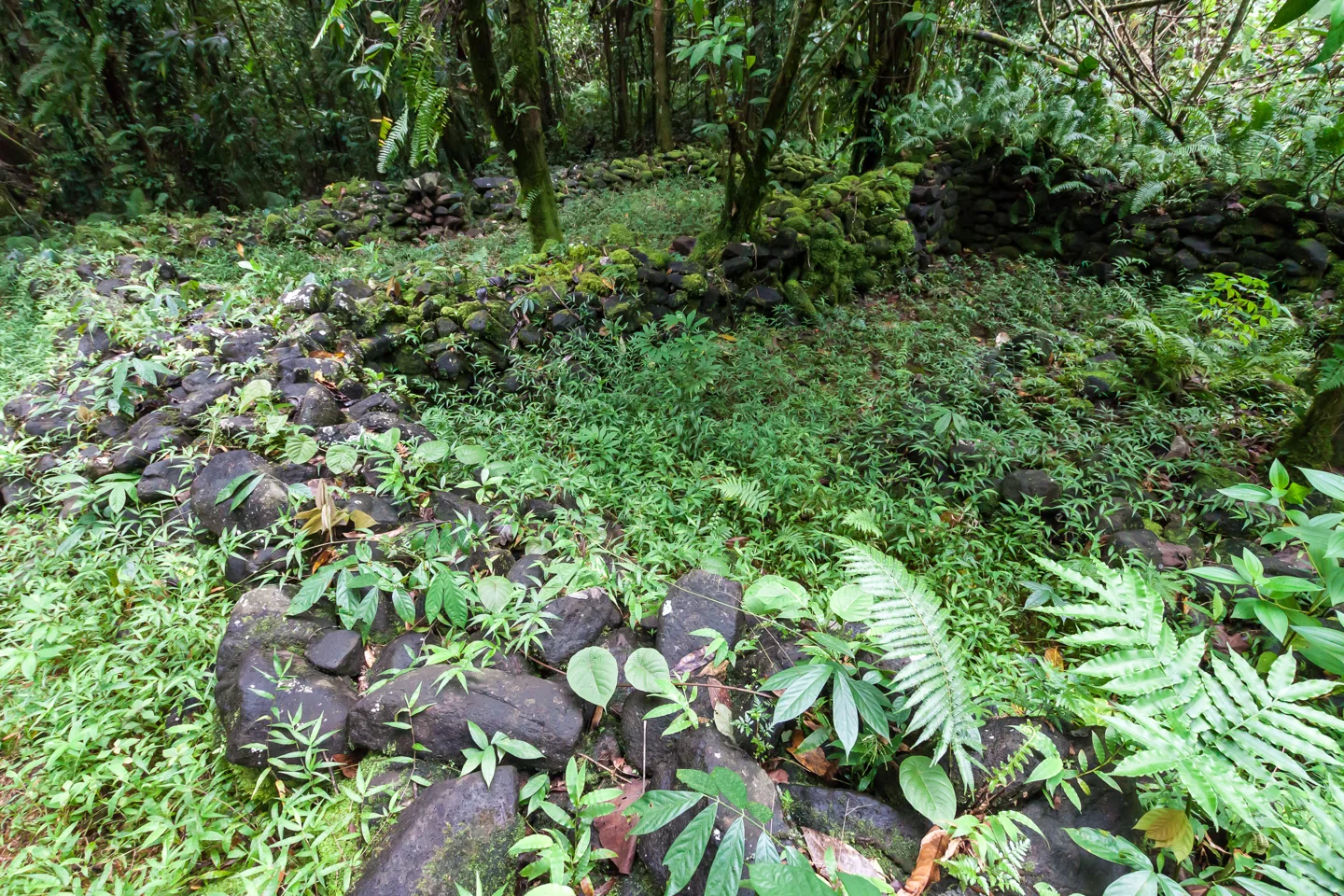
Finally, review the budget using actual bills and journeys. Keep enough flexibility for an off-island appointment or a changed flight. Before a cultural-site visit, establish access and any host arrangements locally; the photograph below records Lelu on Kosrae and is not a current access notice.
Sources & further reading
Reviewed 15 October 2026. Sources are linked beside the relevant instructions. Official immigration regulations, embassy instructions, Finance publications, the college and local providers were reviewed. Several sites supplied indexed primary text but timed out during full retrieval. The U.S. entry page and Pohnpei tourism site later restricted automated access; those limits were respected. The college’s 2026–27 catalog download was unavailable, and a financial aid PDF labelled 2026–27 contained 2025–26 text; no current tuition is inferred from it. Historical photograph dates are retained. FSM is distinct from the wider Micronesian region, Guam, Palau and the Marshall Islands. Amounts are U.S. dollars (USD), reviewed 15 October 2026. MiCare and bank prices are undated advertised schedules observed during research, subject to eligibility and the provider’s quotation. The housing example is arithmetic, not a market estimate. Immigration charges, utilities, freight, rent and tuition require a current procedure-specific or household-specific quote. Photograph credits, licences and capture years appear with the images.
Browse the source directory
- FSM Embassy — immigration regulations and contact
- FSM Department of Justice — adopted immigration regulations
- FSM Government — implementation of Compact immigration rights
- U.S. Department of State — FSM entry and civil documents
- FSM Embassy in Japan — immigration services
- FSM Immigration — entry permit application and checklist
- FSM Resources and Development — investment, EWA and animal forms
- U.S. Department of State — investment framework in FSM
- FSM Finance — wage and salary tax law
- FSM Finance — Customs and Tax Administration
- FSM Finance — customs forms and instructions
- FSM National Department of Education
- College of Micronesia–FSM — admission procedure
- College of Micronesia–FSM — catalog directory
- FSM Social Security Administration — forms
- FSM Social Security Administration — employer registration
- FSM Banking Board — banking regulator
- Bank of Guam — branch directory
- Bank of Guam — transaction accounts
- FSM Constitution — article XIII land restrictions
- MiCare — local health insurance options
- MiCare — enrollment application
- FSM Personnel — government employee benefits
- FSM Health and Social Affairs — public health services
- FSM Telecom — prepaid account and plan menu
- FSM Telecom — state service applications
- Pohnpei Utilities Corporation — power and water
- Chuuk Public Utility Corporation — new and changed service
- Pohnpei Tourism Office — practical local information
- FSM Tourism — local taxi and service directory
- United Airlines — Guam and Island Hopper routes
- FSM Resources and Development — quarantine service
Make your next step a practical one
Choose the state and establish each household member’s immigration and work position, then obtain the employer, school, housing and medical arrangements needed for that particular island.